
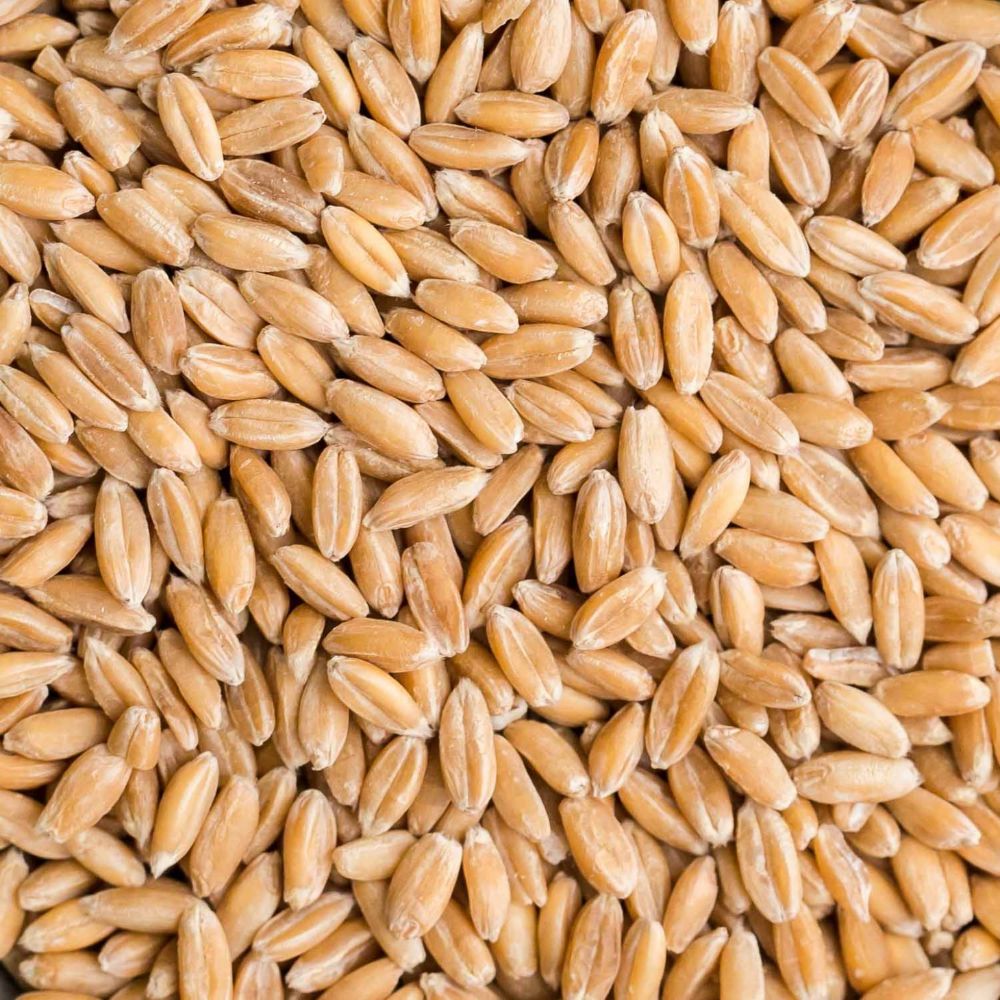
Wheat
Wheat is a staple cereal grain used worldwide for bread, pasta, pastries, and other baked goods. It is prized for its versatility, high gluten content, and nutritional value.
Key Features:
- Rich in Carbohydrates & Fiber: Provides sustained energy and supports digestive health.
- High Protein Content: Essential for muscle repair and growth.
- Contains B Vitamins & Iron: Supports metabolism and oxygen transport.
- Versatile Use: Suitable for milling into flour, animal feed, and industrial applications.
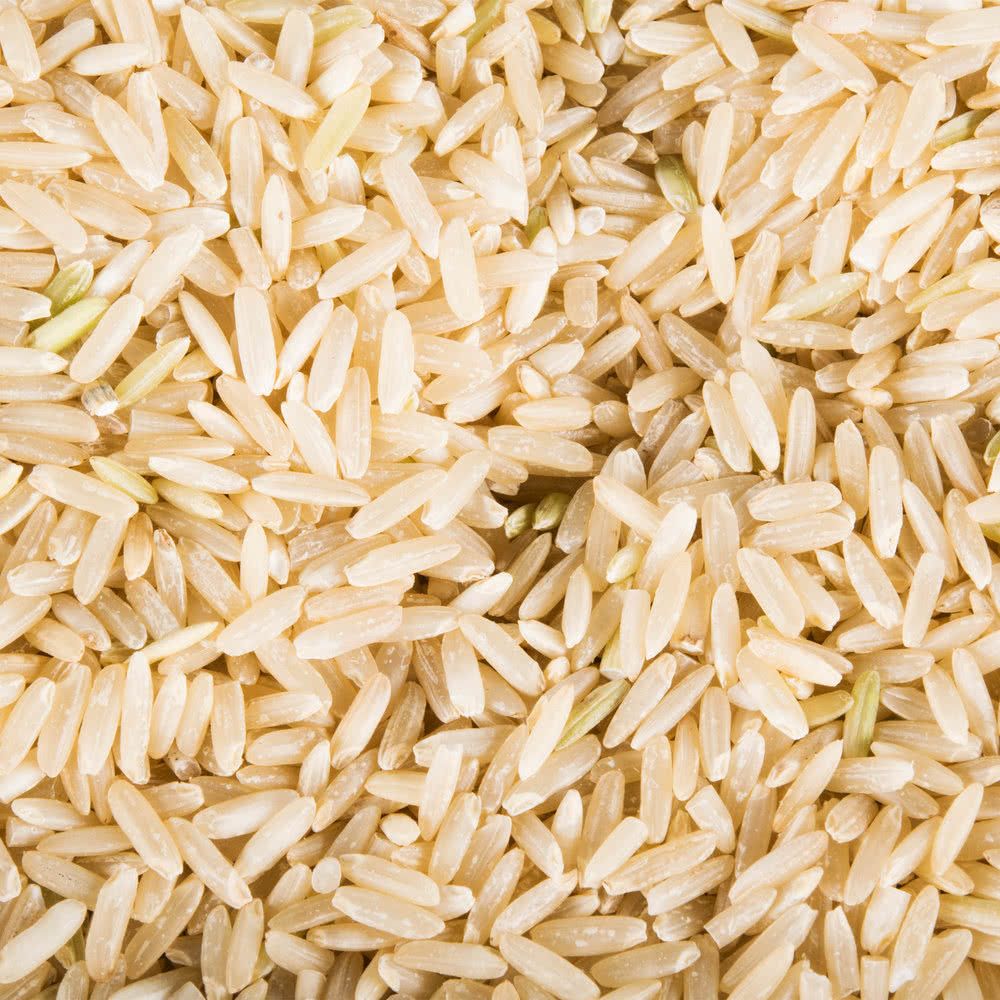
Rice
Rice is a fundamental food grain consumed by more than half of the world's population. Known for its mild flavor, versatility, and easy digestibility, it is used in countless culinary traditions.
Key Features:
- Excellent Energy Source: High in easily digestible carbohydrates.
- Low in Fat & Sodium: Suitable for heart-healthy diets.
- Gluten-Free: Safe for individuals with celiac disease or gluten sensitivity.
- Variety of Types: Available in long-grain, medium-grain, short-grain, basmati, jasmine, and more.
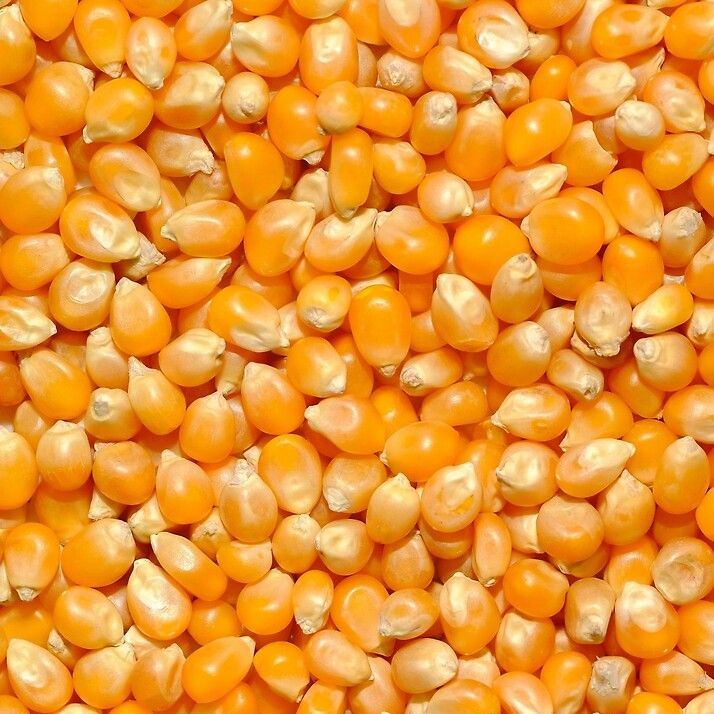
Maize
Maize, also known as corn, is a versatile cereal grain used for human consumption, animal feed, and industrial applications. It offers a sweet flavor and vibrant color that enhances many dishes.
Key Features:
- Rich in Carbohydrates & Fiber: Provides energy and supports digestion.
- Contains Antioxidants: Such as lutein and zeaxanthin for eye health.
- Naturally Gluten-Free: Ideal for gluten-free diets.
- Multiple Uses: Consumed fresh, dried, ground into flour, or processed into oil, syrup, and ethanol.
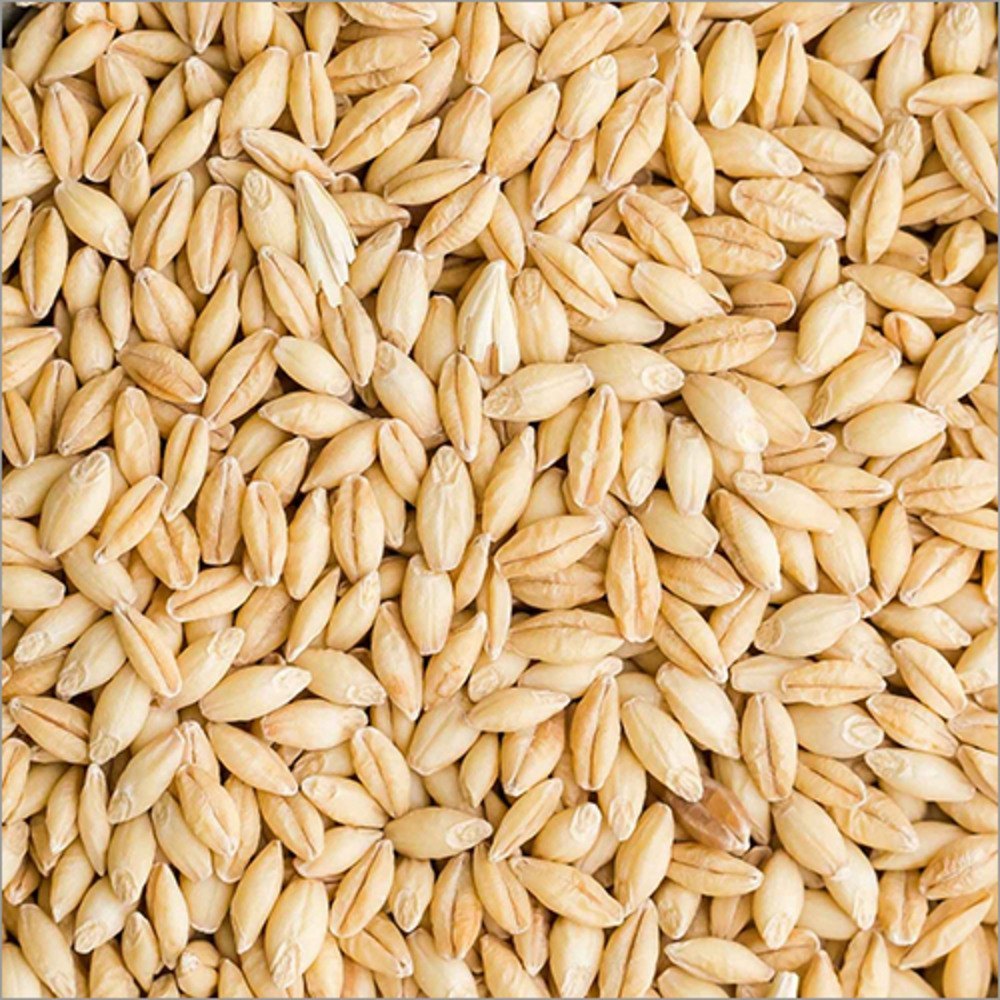
Barley
Barley is a nutritious whole grain known for its chewy texture and nutty flavor. It is widely used in soups, stews, salads, and as a hearty side dish, as well as in malt production for beverages.
Key Features:
- High in Dietary Fiber: Particularly beta-glucan, which supports heart health and lowers cholesterol.
- Rich in Selenium & Magnesium: Supports immune function and bone health.
- Versatile Applications: Used in cooking, malting for beer and whiskey, and animal feed.
- Naturally Low in Fat: A heart-healthy grain option.
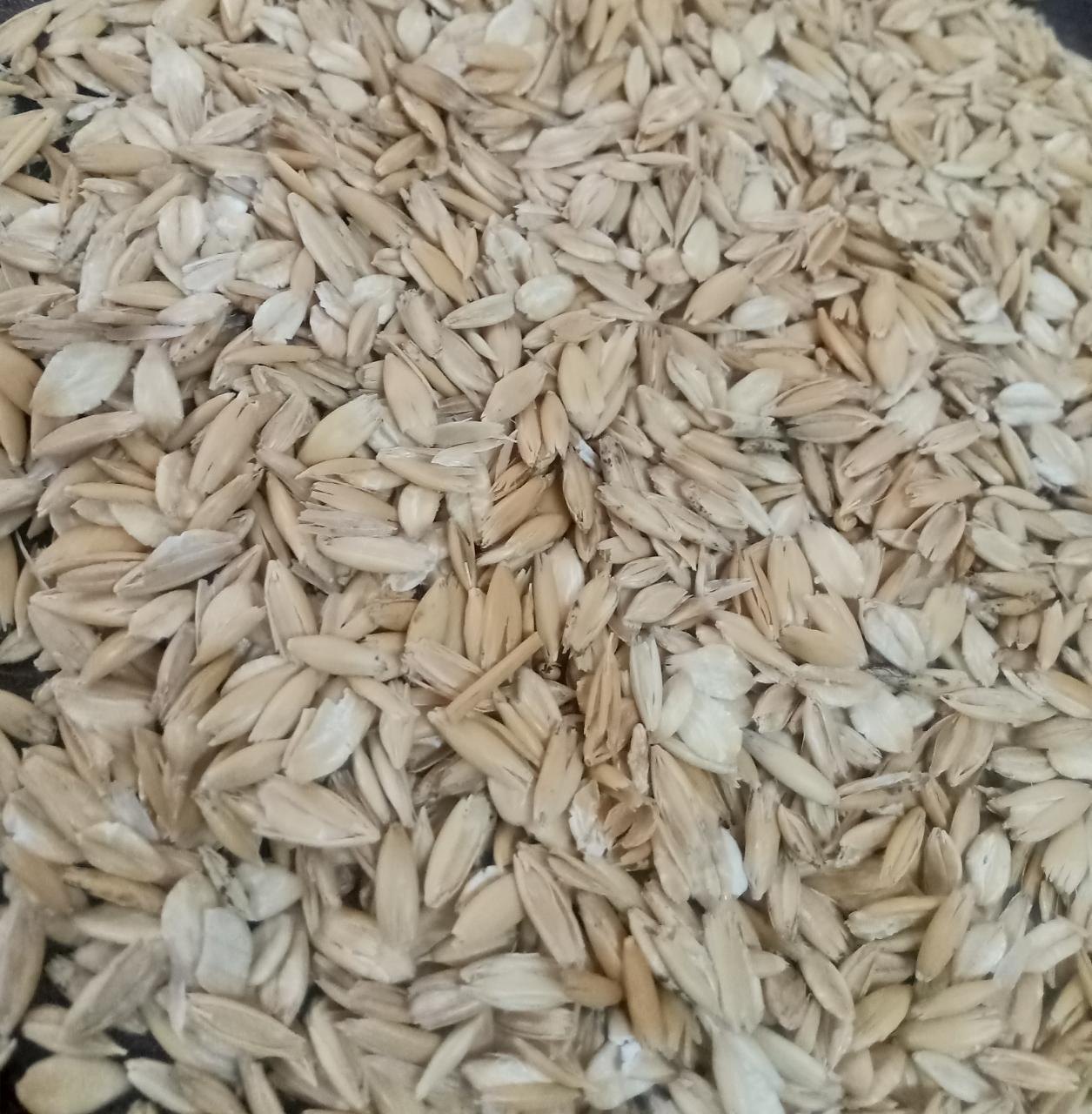
Oats
Oats are a highly nutritious whole grain celebrated for their heart-healthy properties and versatility. They are a popular breakfast choice and are also used in baking, snacks, and natural skincare products.
Key Features:
- Rich in Beta-Glucan Fiber: Helps lower cholesterol and stabilize blood sugar.
- Excellent Source of Plant-Based Protein: Supports muscle health and satiety.
- Packed with Antioxidants: Including avenanthramides, which have anti-inflammatory effects.
- Gluten-Free Friendly: Naturally gluten-free, though cross-contamination is possible.
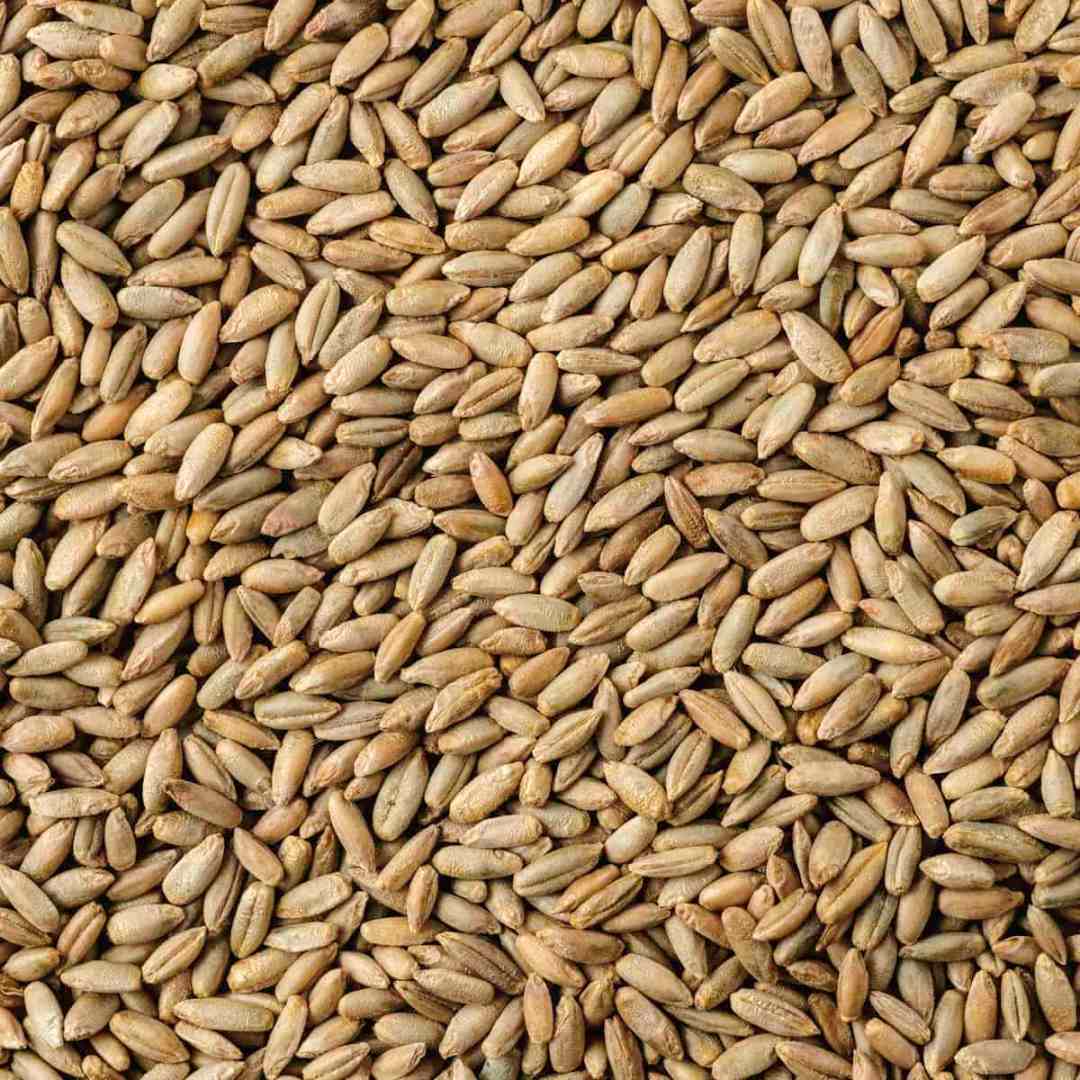
Rye
Rye is a hardy cereal grain known for its earthy, robust flavor and high fiber content. It is commonly used in bread, crispbread, whiskey production, and animal feed.
Key Features:
- High Fiber Content: Promotes digestive health and satiety.
- Rich in Lignans: Plant compounds with antioxidant properties.
- Lower Gluten than Wheat: Produces denser baked goods with distinct flavor.
- Nutrient-Dense: Contains manganese, copper, and B vitamins.
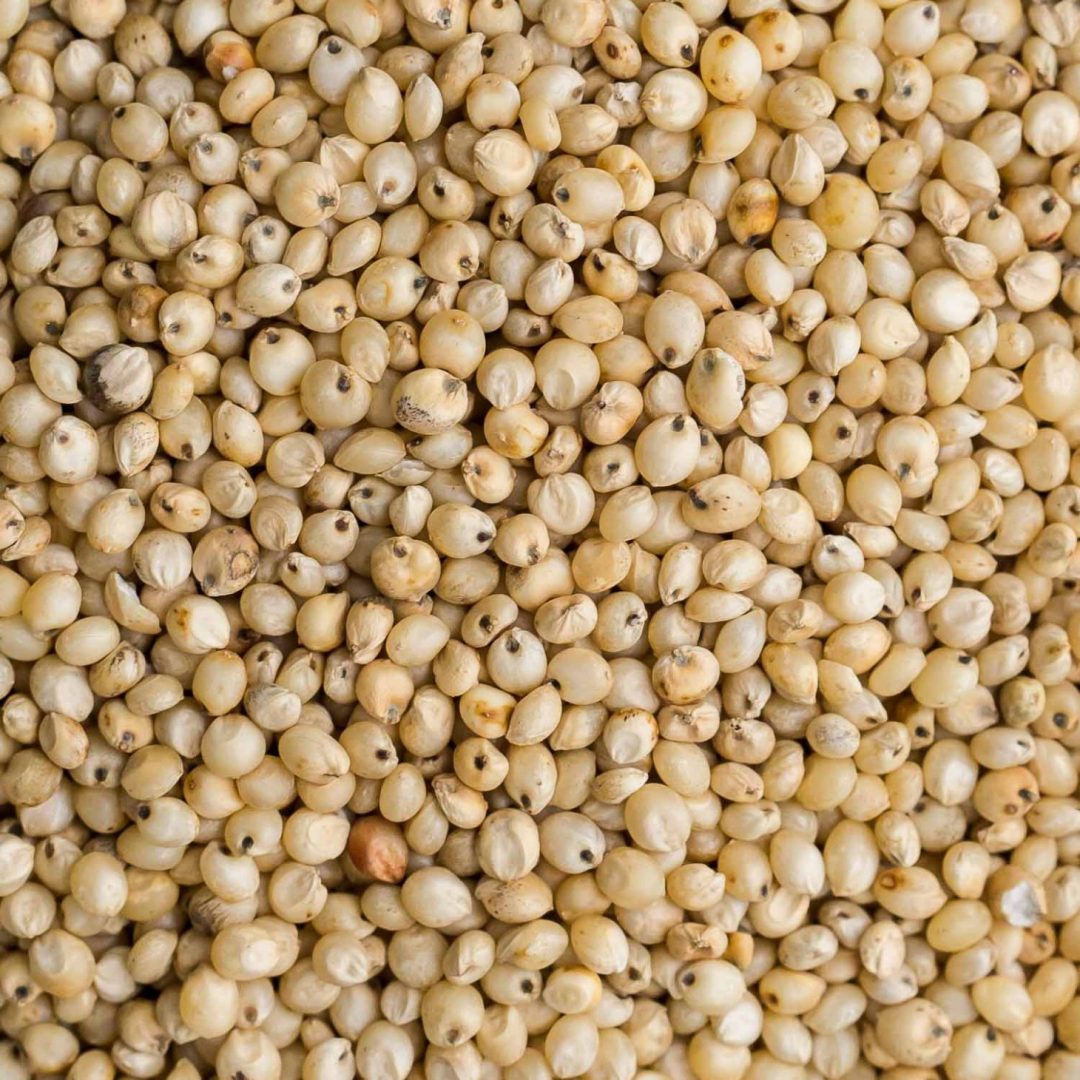
Sorghum
Sorghum is a nutrient-rich ancient grain prized for its mild, slightly sweet flavor and versatility. It is a staple in many regions and is used for human consumption, animal feed, and biofuel production.
Key Features:
- Gluten-Free: A safe alternative for gluten-sensitive individuals.
- High in Antioxidants: Contains phenolic compounds that combat oxidative stress.
- Excellent Source of Fiber: Supports digestive health and regularity.
- Drought-Tolerant Crop: An environmentally sustainable grain choice.
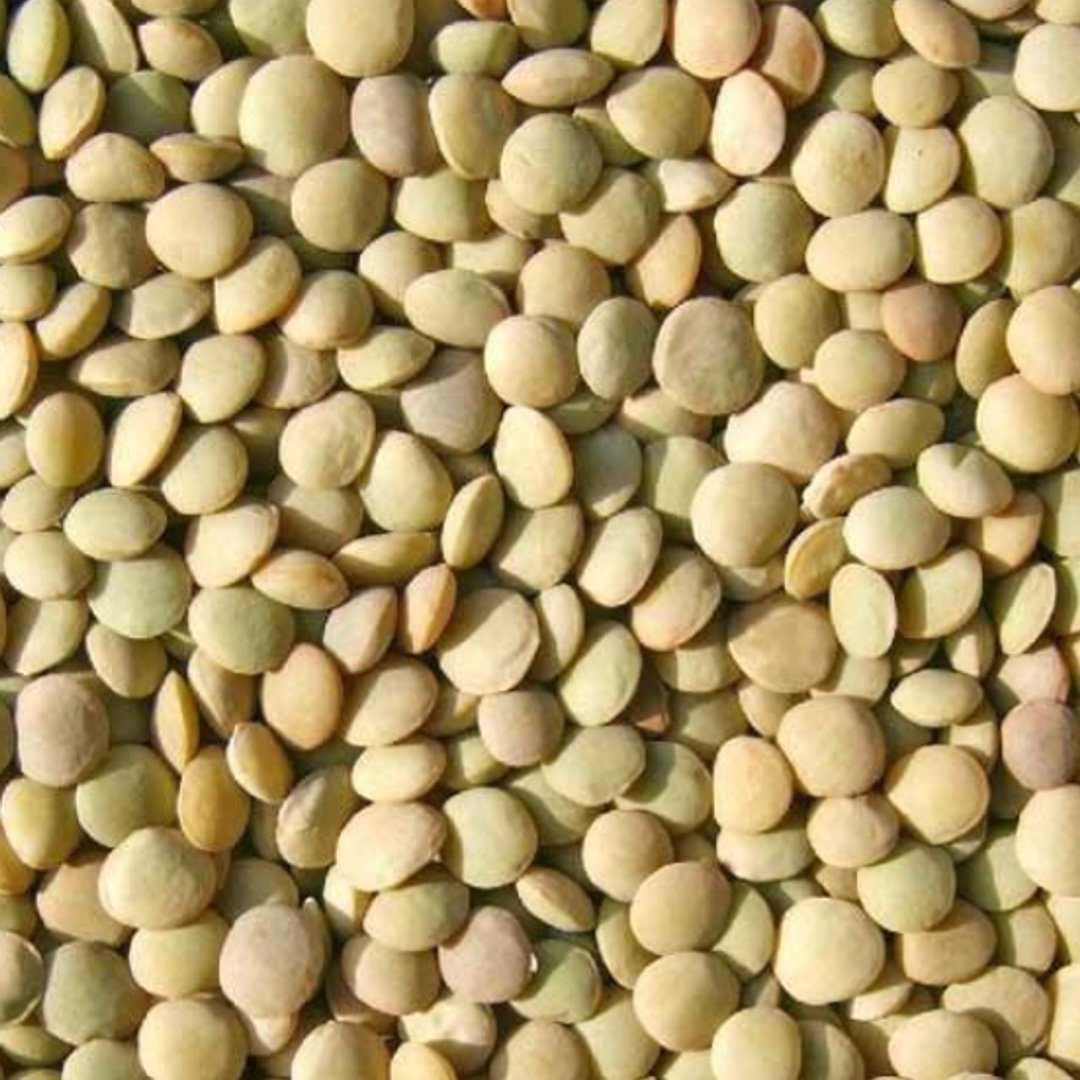
Lentil
Lentils are nutrient-dense legumes valued for their earthy flavor, quick cooking time, and exceptional nutritional profile. They are a staple in soups, stews, salads, and plant-based dishes worldwide.
Key Features:
- High in Plant Protein: Excellent for vegetarian and vegan diets.
- Rich in Dietary Fiber: Promotes digestive health and stable blood sugar.
- Packed with Folate & Iron: Supports red blood cell formation and energy production.
- Quick Cooking: No soaking required for most varieties.
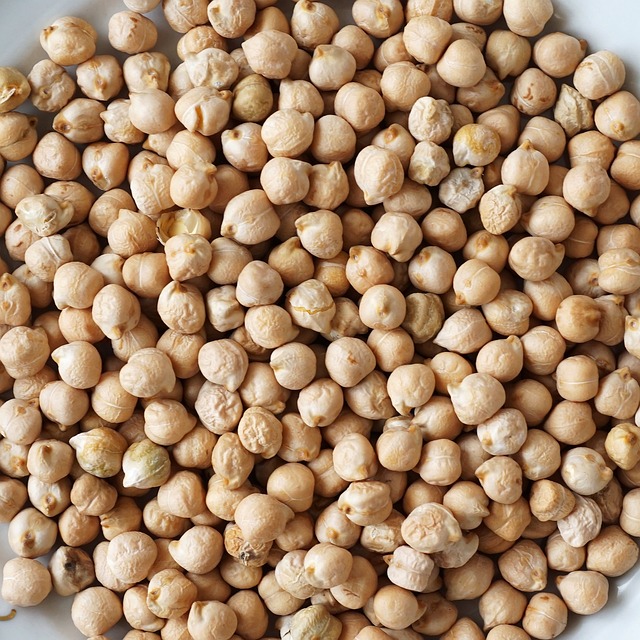
Chickpea
Chickpeas, also known as garbanzo beans, are versatile legumes with a nutty flavor and firm texture. They are a cornerstone of Middle Eastern, Mediterranean, and Indian cuisines, used in hummus, curries, salads, and more.
Key Features:
- High in Protein & Fiber: Promotes fullness and digestive health.
- Rich in Vitamins & Minerals: Contains manganese, folate, iron, and phosphorus.
- Supports Blood Sugar Regulation: Low glycemic index.
- Versatile Culinary Uses: Can be roasted, pureed, added to stews, or ground into flour.
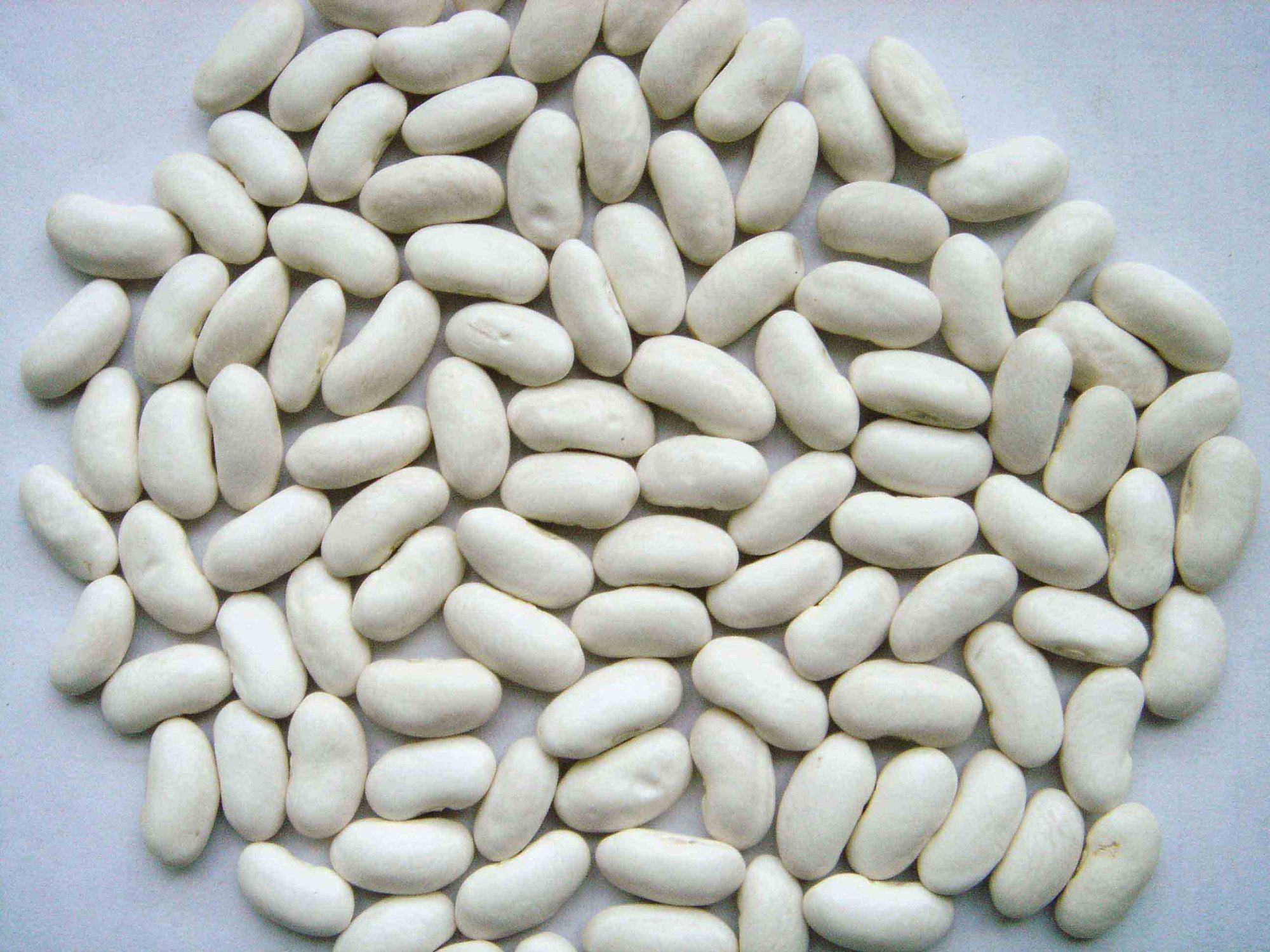
Dry Beans
Dry beans are nutrient-rich legumes valued for their hearty texture, earthy flavor, and exceptional versatility. They are a dietary staple worldwide, used in soups, chili, rice dishes, salads, and traditional cuisines.
Key Features:
- Excellent Protein Source: Ideal for plant-based diets.
- High in Soluble Fiber: Supports heart health and cholesterol management.
- Rich in Complex Carbohydrates: Provides sustained energy.
- Packed with Micronutrients: Contains iron, potassium, magnesium, and B vitamins.
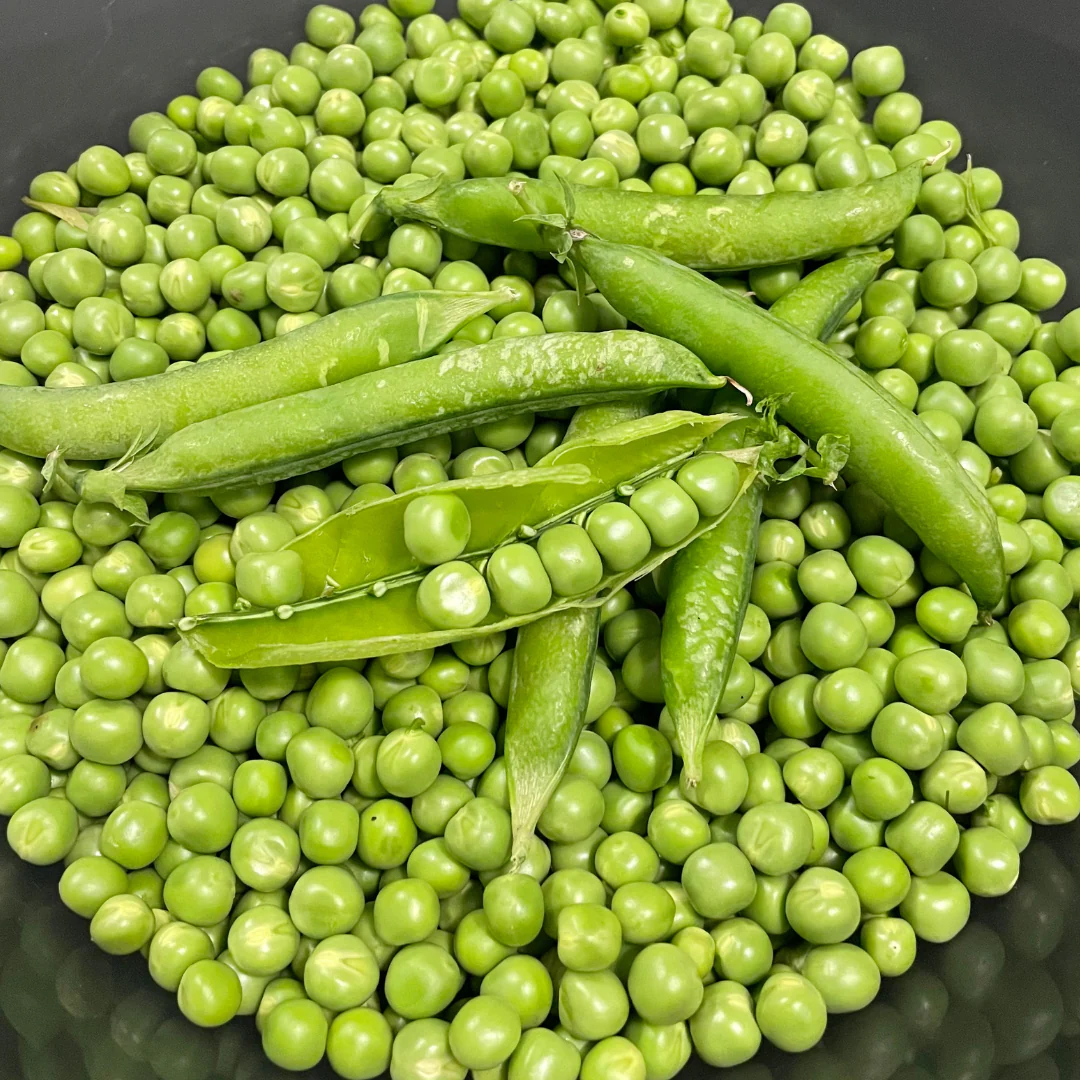
Pea
Peas are sweet, tender legumes enjoyed fresh, frozen, or dried. They are a popular vegetable and also processed into split peas, pea protein, and flour for various culinary and industrial applications.
Key Features:
- Good Source of Plant Protein: Especially in dried split peas.
- Rich in Fiber: Supports digestive health.
- Contains Vitamins A, C, K, and B-Complex: Contributes to immune and bone health.
- Naturally Sweet Flavor: Versatile for both savory and some sweet applications.
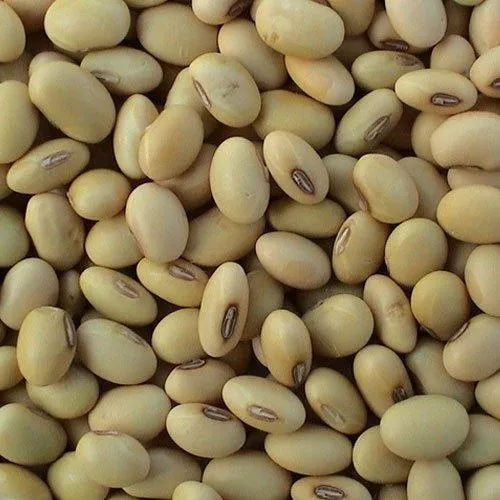
Soybean
Soybeans are high-protein legumes that serve as a foundation for countless food products, including tofu, tempeh, soy milk, and edamame. They are also a major source of animal feed and industrial oils.
Key Features:
- Complete Plant Protein: Contains all nine essential amino acids.
- Rich in Isoflavones: Antioxidant compounds with potential health benefits.
- High in Healthy Fats: Contains polyunsaturated and monounsaturated fats.
- Versatile Applications: Used in food, feed, biodiesel, and industrial products.
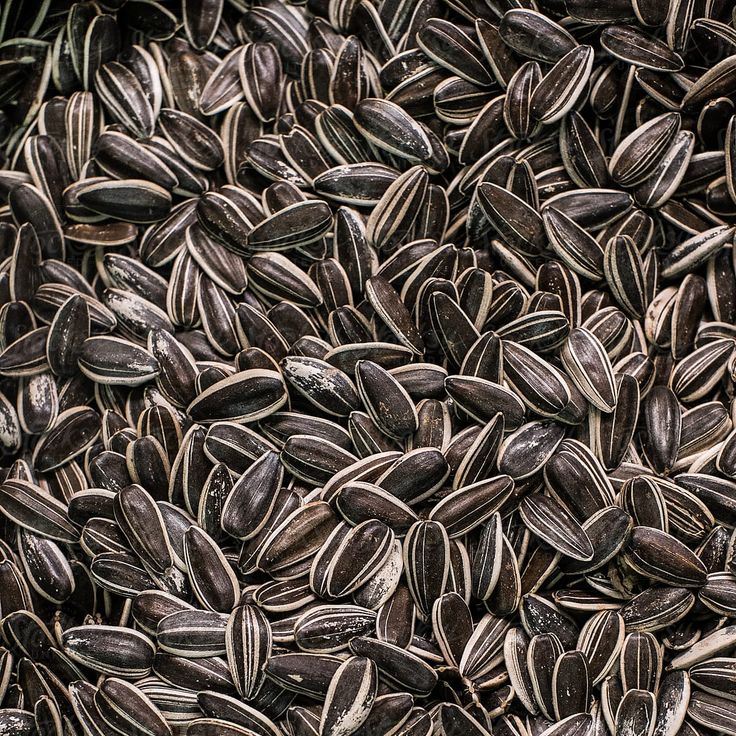
Sunflower Seed
Sunflower seeds are nutrient-dense kernels prized for their mild, nutty flavor and crunchy texture. They are enjoyed as snacks, toppings, and ingredients in baking, as well as being pressed for high-quality sunflower oil.
Key Features:
- Rich in Healthy Fats: High in vitamin E and unsaturated fats.
- Excellent Source of Selenium & Magnesium: Supports thyroid and bone health.
- Good Plant Protein: Ideal for vegetarian and vegan diets.
- Versatile Use: Consumed raw, roasted, as butter, or pressed into oil.
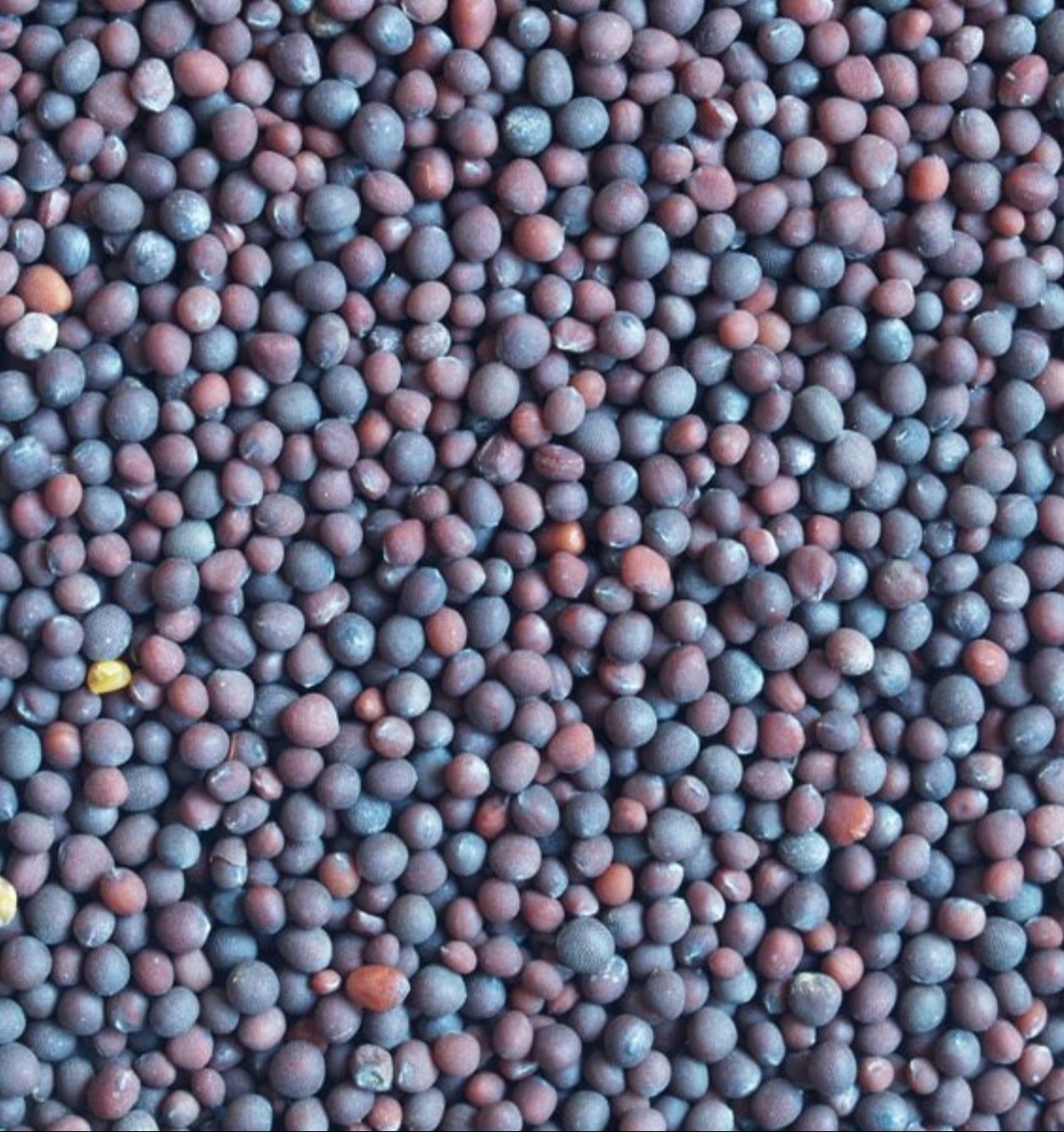
Rapeseed
Rapeseed is a versatile oilseed crop valued primarily for its oil, which is processed into canola oil—one of the world's healthiest cooking oils. It is also used in animal feed and industrial applications.
Key Features:
- Low Saturated Fat: Canola oil is heart-healthy with high monounsaturated fat content.
- Rich in Omega-3 Fatty Acids: Supports cardiovascular and brain health.
- High Smoke Point: Suitable for frying, baking, and high-heat cooking.
- Sustainable Crop: Used increasingly for biodiesel production.