
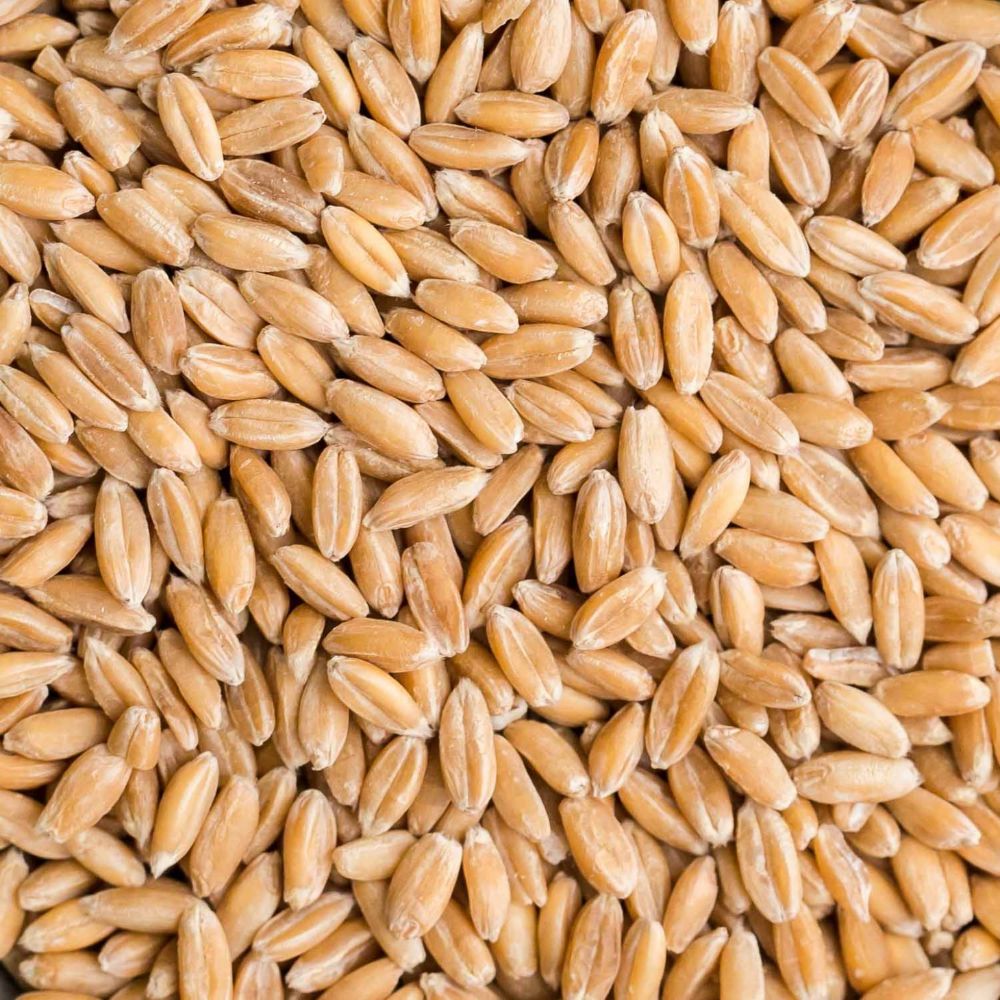
Wheat
Wheat is a staple cereal grain used worldwide for bread, pasta, pastries, and other baked goods. It is prized for its versatility, high gluten content, and nutritional value.
Key Features:
- Rich in Carbohydrates & Fiber: Provides sustained energy and supports digestive health.
- High Protein Content: Essential for muscle repair and growth.
- Contains B Vitamins & Iron: Supports metabolism and oxygen transport.
- Versatile Use: Suitable for milling into flour, animal feed, and industrial applications.
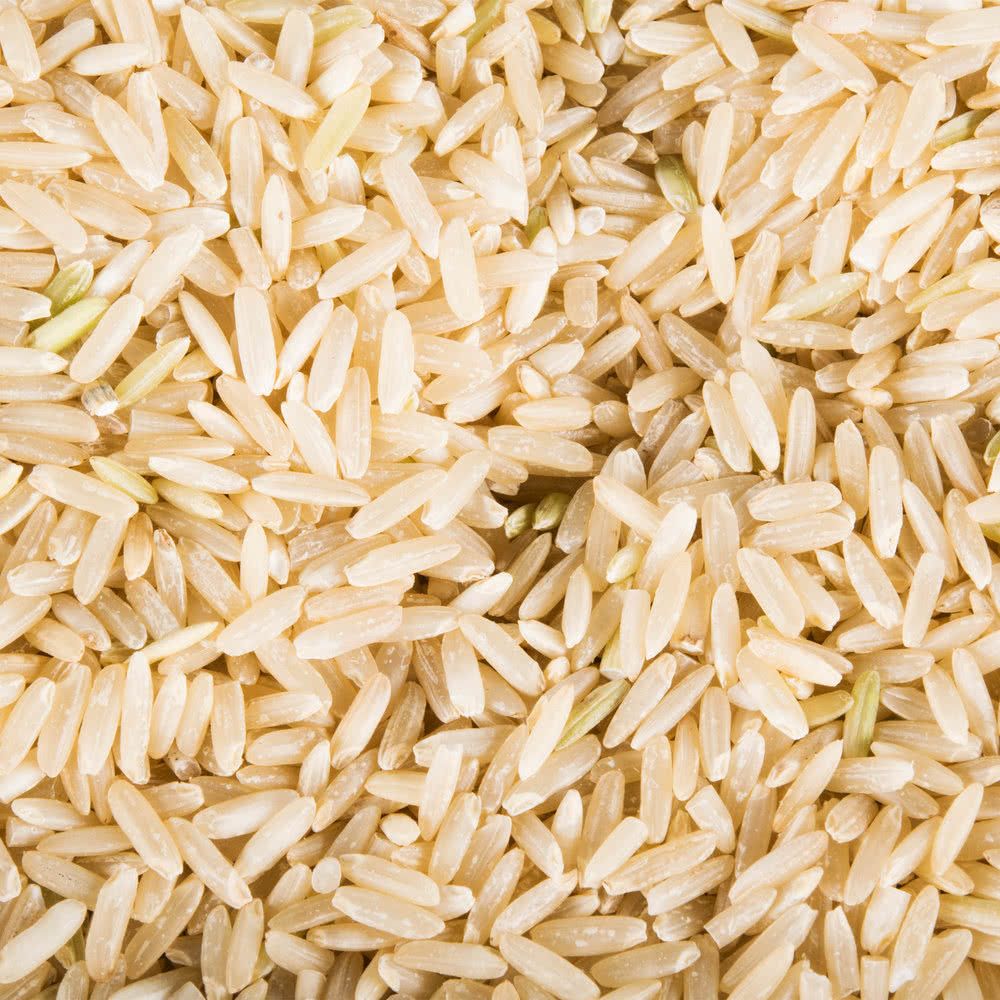
Rice
Rice is a fundamental food grain consumed by more than half of the world's population. Known for its mild flavor, versatility, and easy digestibility, it is used in countless culinary traditions.
Key Features:
- Excellent Energy Source: High in easily digestible carbohydrates.
- Low in Fat & Sodium: Suitable for heart-healthy diets.
- Gluten-Free: Safe for individuals with celiac disease or gluten sensitivity.
- Variety of Types: Available in long-grain, medium-grain, short-grain, basmati, jasmine, and more.
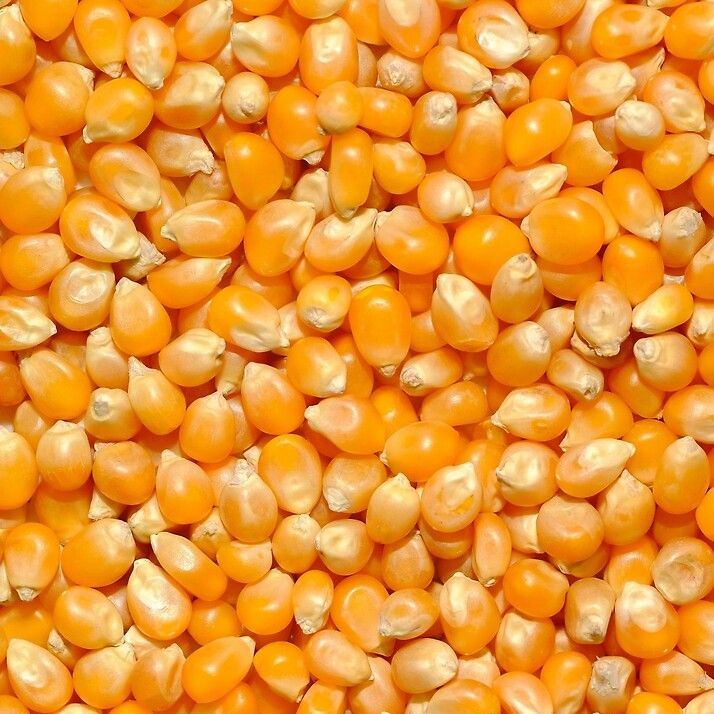
Maize
Maize, also known as corn, is a versatile cereal grain used for human consumption, animal feed, and industrial applications. It offers a sweet flavor and vibrant color that enhances many dishes.
Key Features:
- Rich in Carbohydrates & Fiber: Provides energy and supports digestion.
- Contains Antioxidants: Such as lutein and zeaxanthin for eye health.
- Naturally Gluten-Free: Ideal for gluten-free diets.
- Multiple Uses: Consumed fresh, dried, ground into flour, or processed into oil, syrup, and ethanol.
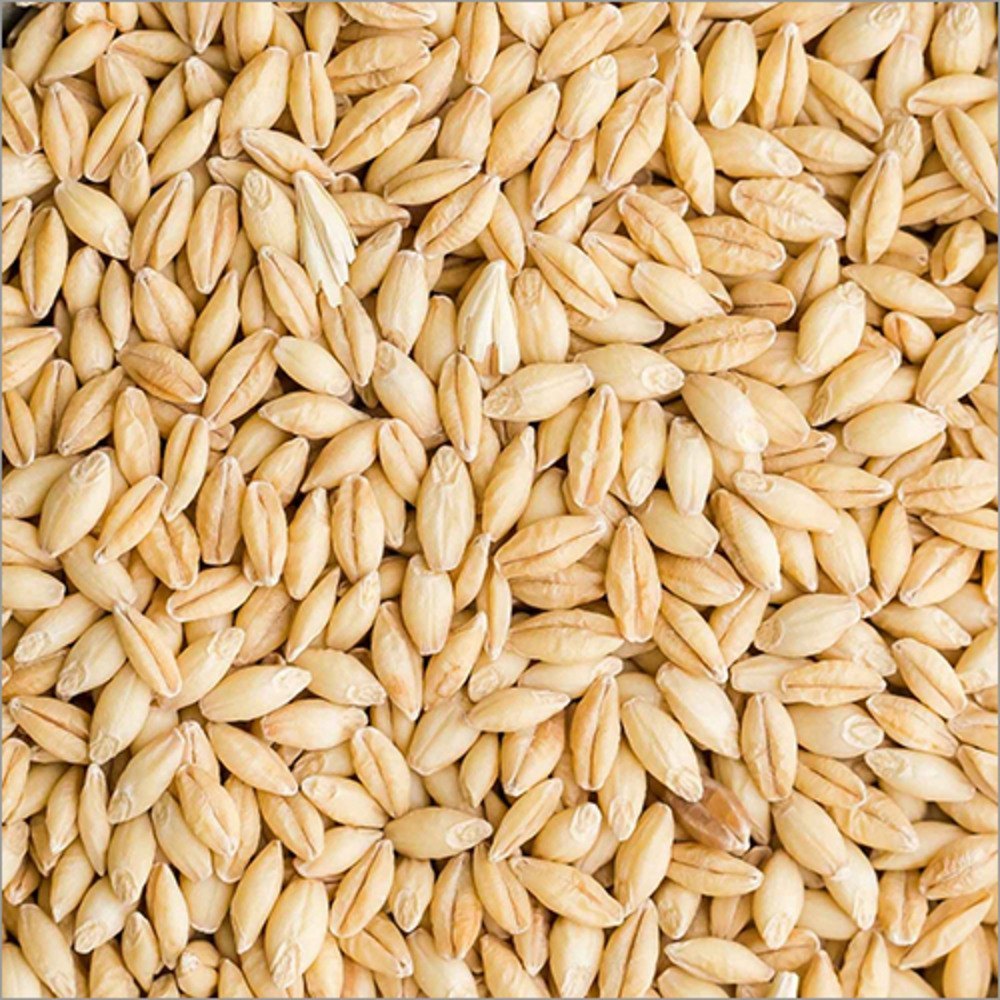
Barley
Barley is a nutritious whole grain known for its chewy texture and nutty flavor. It is widely used in soups, stews, salads, and as a hearty side dish, as well as in malt production for beverages.
Key Features:
- High in Dietary Fiber: Particularly beta-glucan, which supports heart health and lowers cholesterol.
- Rich in Selenium & Magnesium: Supports immune function and bone health.
- Versatile Applications: Used in cooking, malting for beer and whiskey, and animal feed.
- Naturally Low in Fat: A heart-healthy grain option.
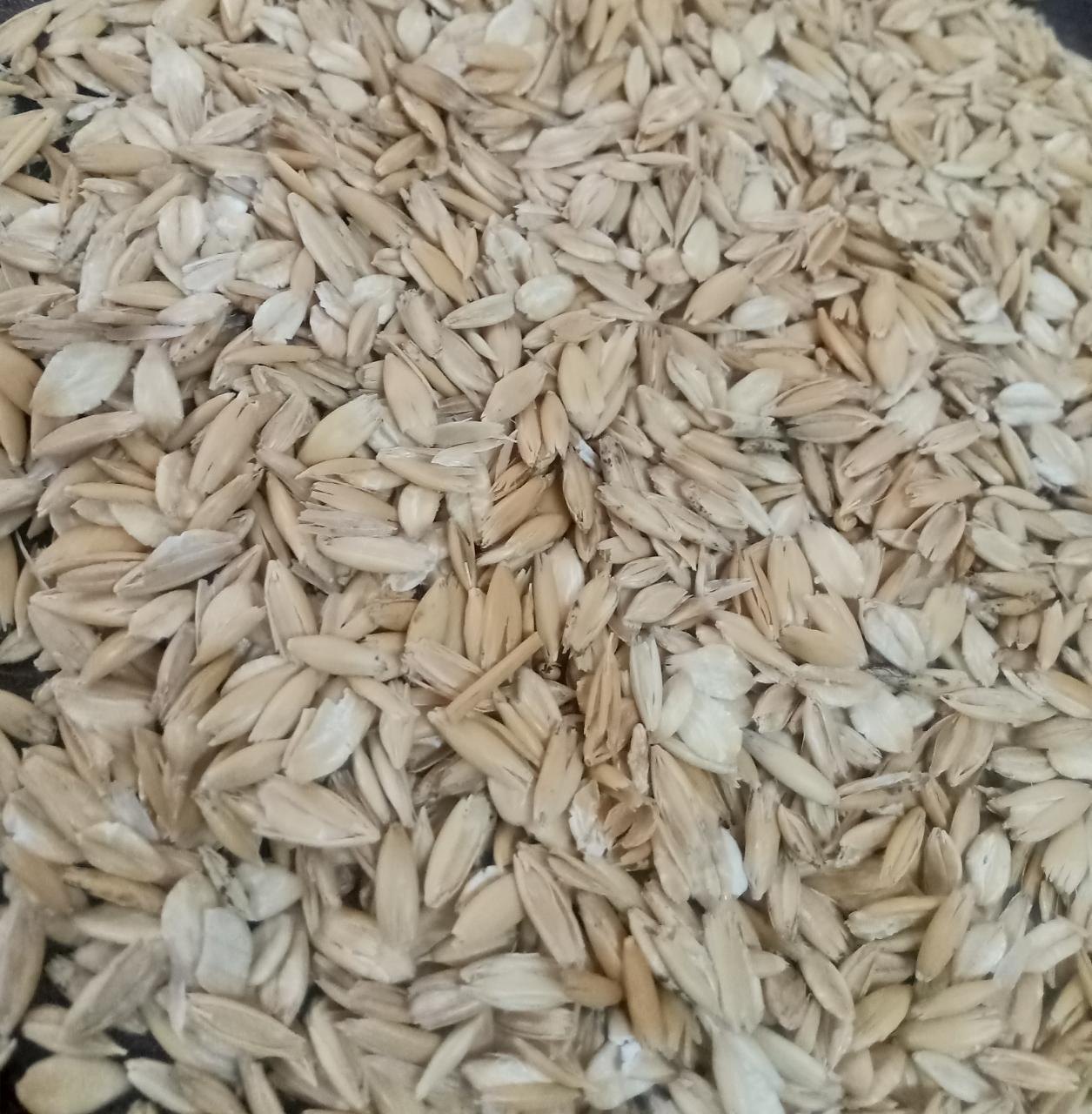
Oats
Oats are a highly nutritious whole grain celebrated for their heart-healthy properties and versatility. They are a popular breakfast choice and are also used in baking, snacks, and natural skincare products.
Key Features:
- Rich in Beta-Glucan Fiber: Helps lower cholesterol and stabilize blood sugar.
- Excellent Source of Plant-Based Protein: Supports muscle health and satiety.
- Packed with Antioxidants: Including avenanthramides, which have anti-inflammatory effects.
- Gluten-Free Friendly: Naturally gluten-free, though cross-contamination is possible.
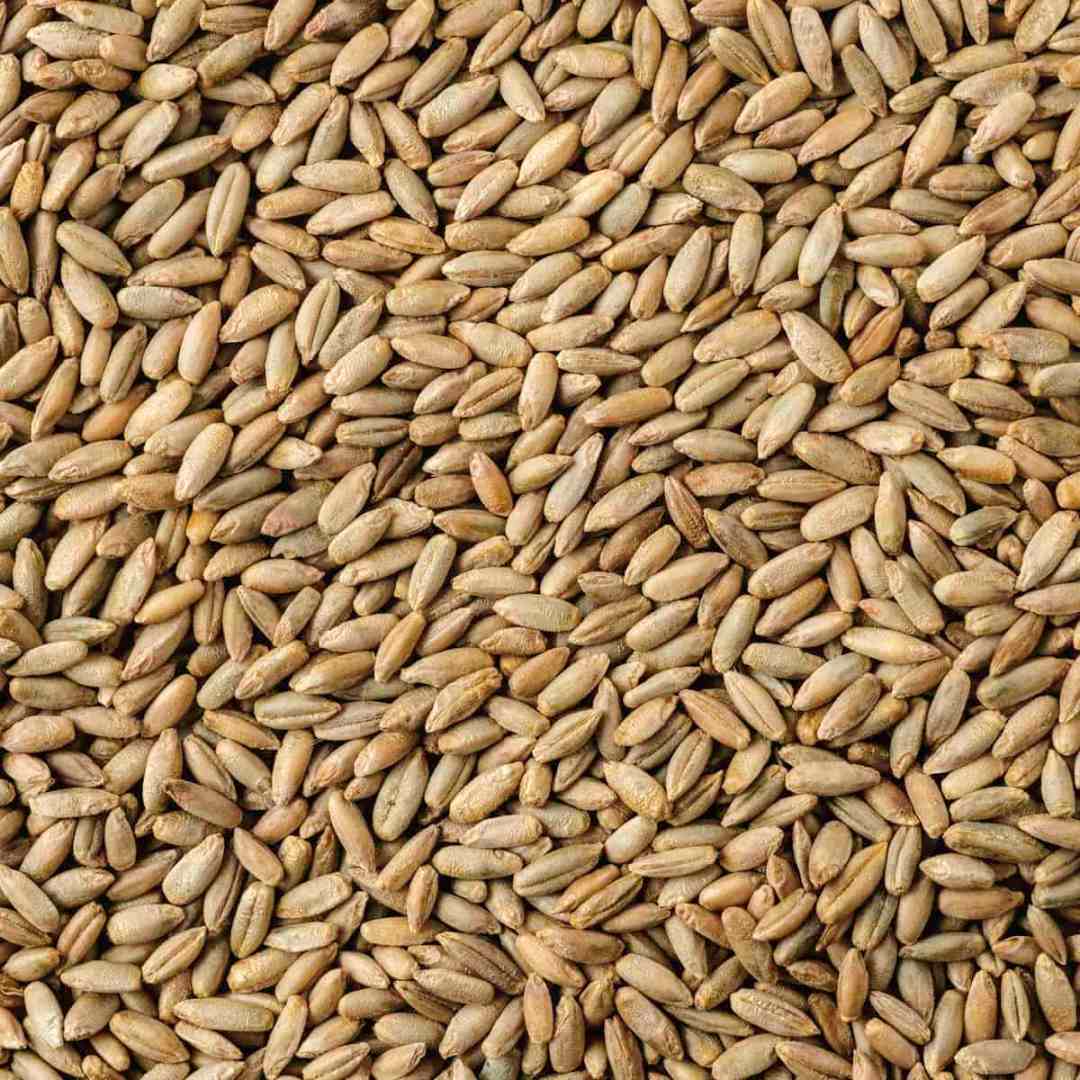
Rye
Rye is a hardy cereal grain known for its earthy, robust flavor and high fiber content. It is commonly used in bread, crispbread, whiskey production, and animal feed.
Key Features:
- High Fiber Content: Promotes digestive health and satiety.
- Rich in Lignans: Plant compounds with antioxidant properties.
- Lower Gluten than Wheat: Produces denser baked goods with distinct flavor.
- Nutrient-Dense: Contains manganese, copper, and B vitamins.
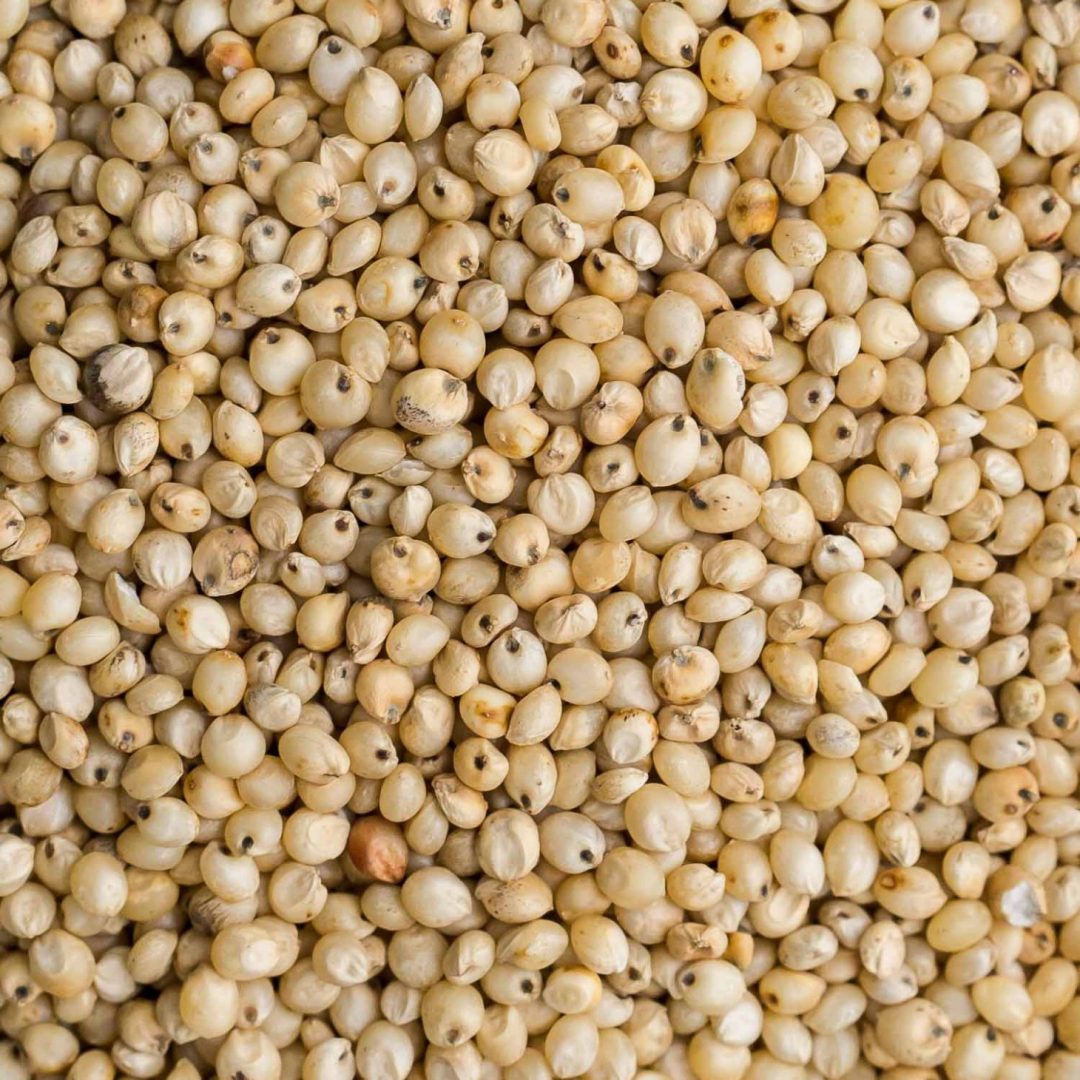
Sorghum
Sorghum is a nutrient-rich ancient grain prized for its mild, slightly sweet flavor and versatility. It is a staple in many regions and is used for human consumption, animal feed, and biofuel production.
Key Features:
- Gluten-Free: A safe alternative for gluten-sensitive individuals.
- High in Antioxidants: Contains phenolic compounds that combat oxidative stress.
- Excellent Source of Fiber: Supports digestive health and regularity.
- Drought-Tolerant Crop: An environmentally sustainable grain choice.
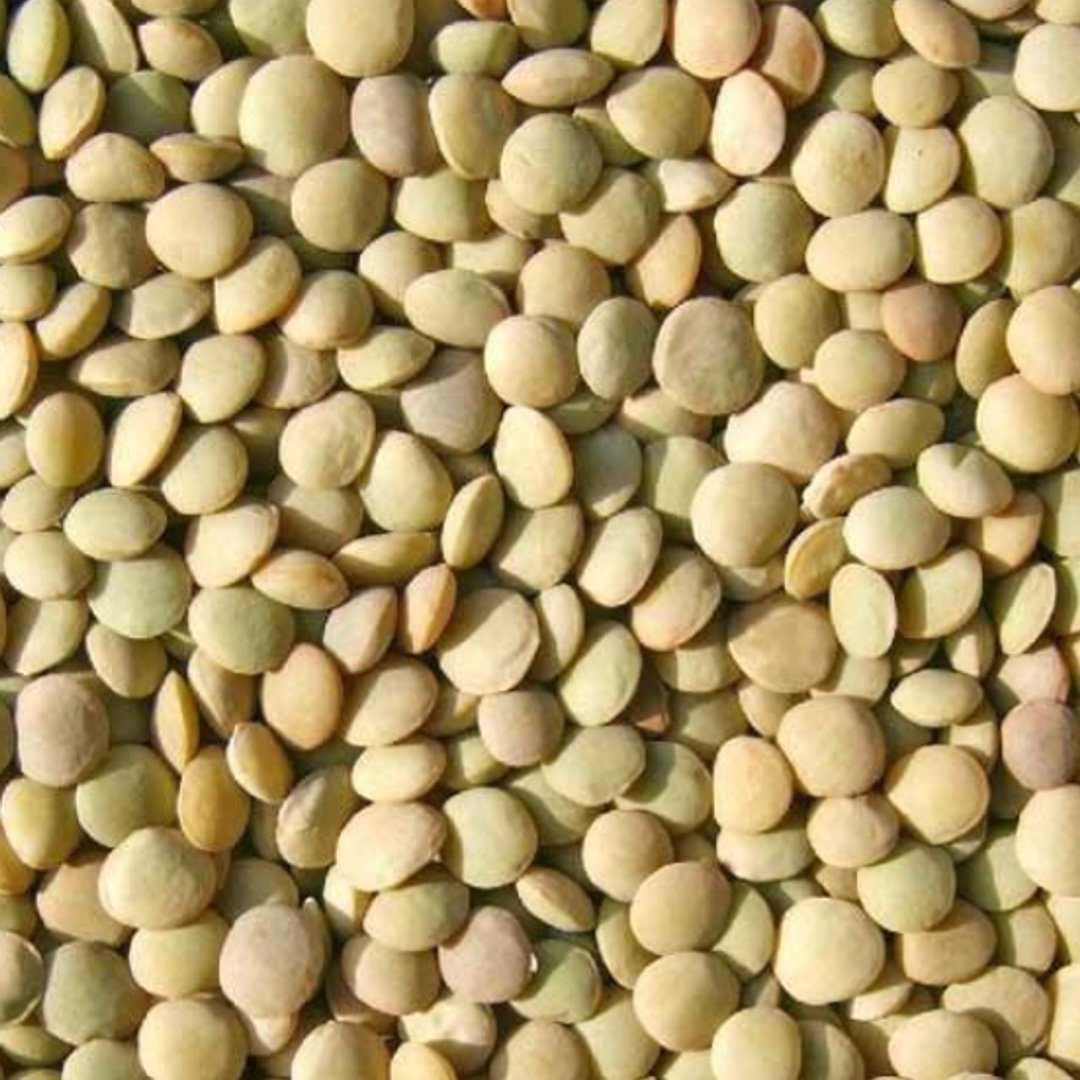
Lentil
Lentils are nutrient-dense legumes valued for their earthy flavor, quick cooking time, and exceptional nutritional profile. They are a staple in soups, stews, salads, and plant-based dishes worldwide.
Key Features:
- High in Plant Protein: Excellent for vegetarian and vegan diets.
- Rich in Dietary Fiber: Promotes digestive health and stable blood sugar.
- Packed with Folate & Iron: Supports red blood cell formation and energy production.
- Quick Cooking: No soaking required for most varieties.
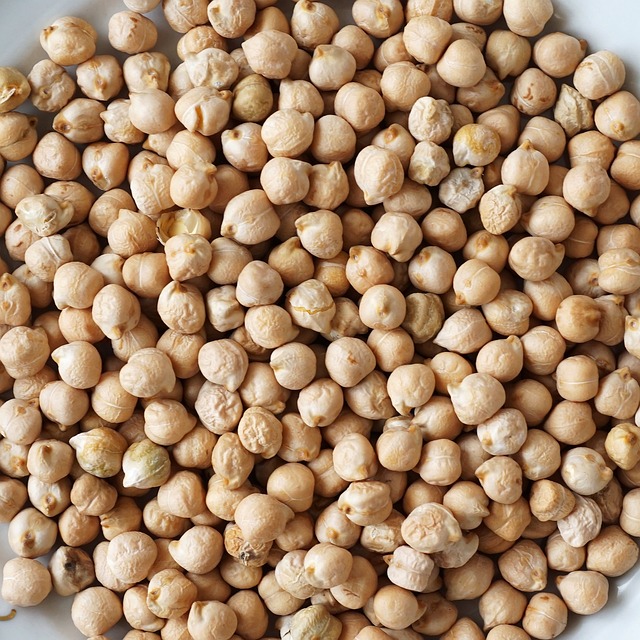
Chickpea
Chickpeas, also known as garbanzo beans, are versatile legumes with a nutty flavor and firm texture. They are a cornerstone of Middle Eastern, Mediterranean, and Indian cuisines, used in hummus, curries, salads, and more.
Key Features:
- High in Protein & Fiber: Promotes fullness and digestive health.
- Rich in Vitamins & Minerals: Contains manganese, folate, iron, and phosphorus.
- Supports Blood Sugar Regulation: Low glycemic index.
- Versatile Culinary Uses: Can be roasted, pureed, added to stews, or ground into flour.
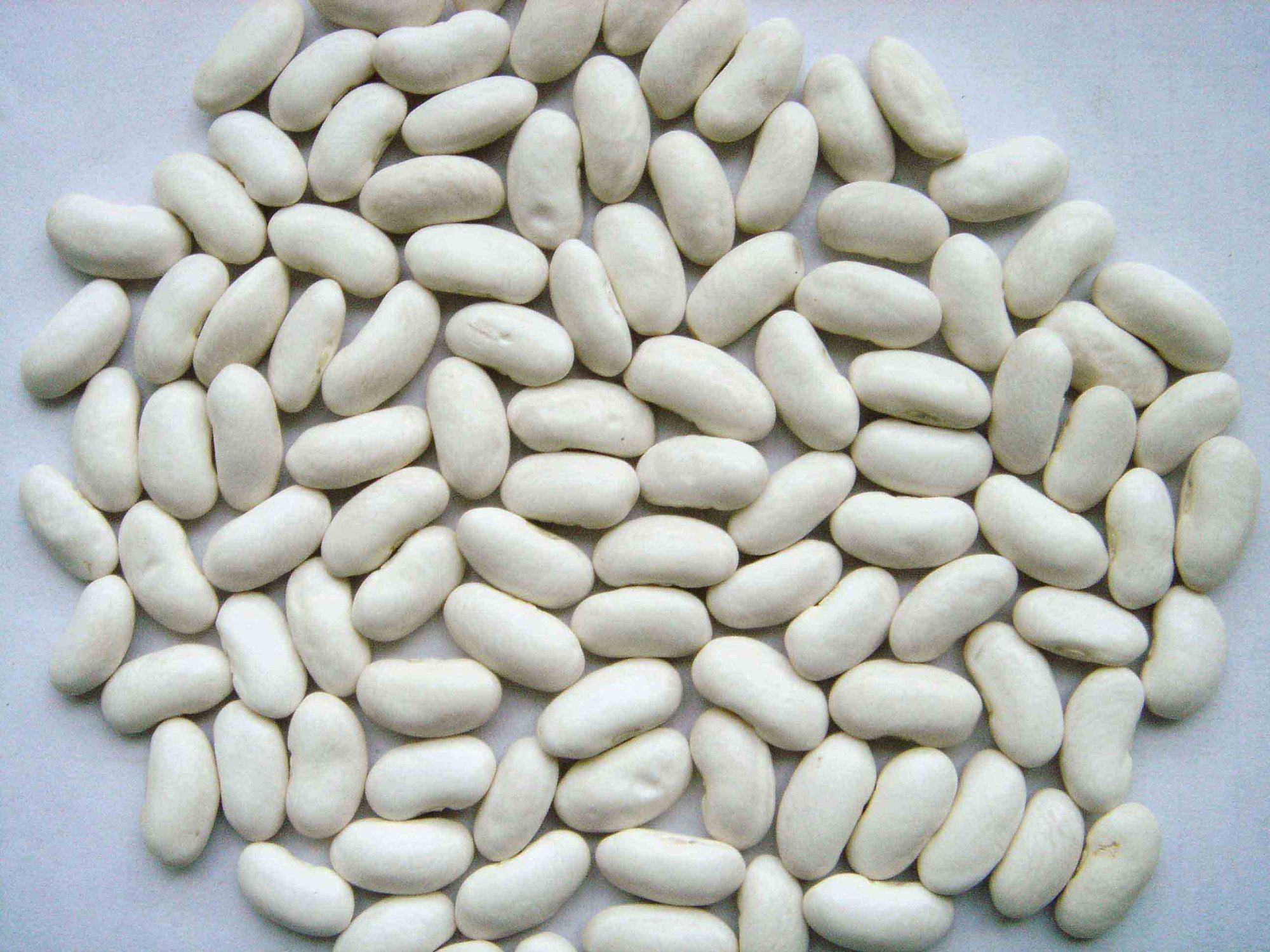
Dry Beans
Dry beans are nutrient-rich legumes valued for their hearty texture, earthy flavor, and exceptional versatility. They are a dietary staple worldwide, used in soups, chili, rice dishes, salads, and traditional cuisines.
Key Features:
- Excellent Protein Source: Ideal for plant-based diets.
- High in Soluble Fiber: Supports heart health and cholesterol management.
- Rich in Complex Carbohydrates: Provides sustained energy.
- Packed with Micronutrients: Contains iron, potassium, magnesium, and B vitamins.
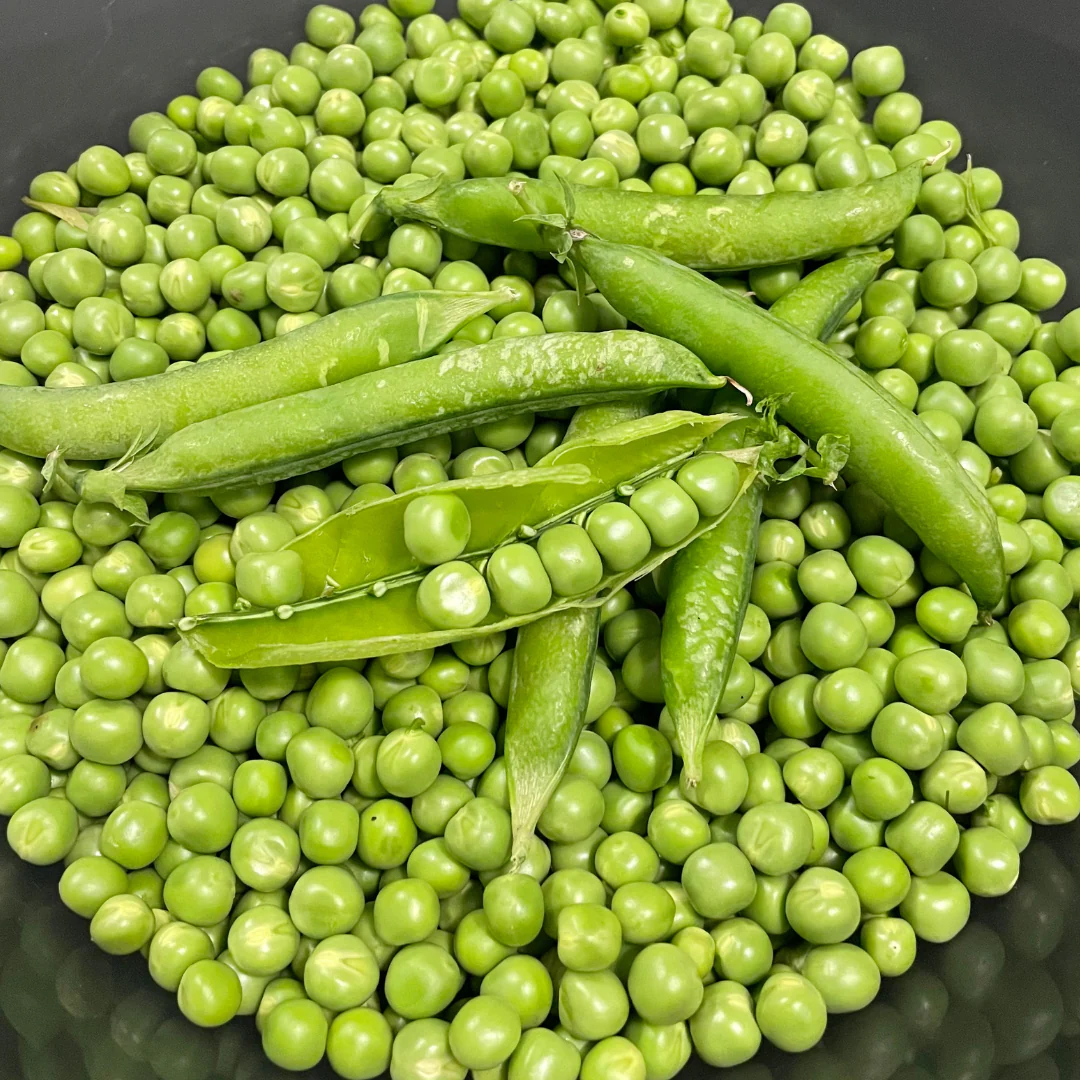
Pea
Peas are sweet, tender legumes enjoyed fresh, frozen, or dried. They are a popular vegetable and also processed into split peas, pea protein, and flour for various culinary and industrial applications.
Key Features:
- Good Source of Plant Protein: Especially in dried split peas.
- Rich in Fiber: Supports digestive health.
- Contains Vitamins A, C, K, and B-Complex: Contributes to immune and bone health.
- Naturally Sweet Flavor: Versatile for both savory and some sweet applications.
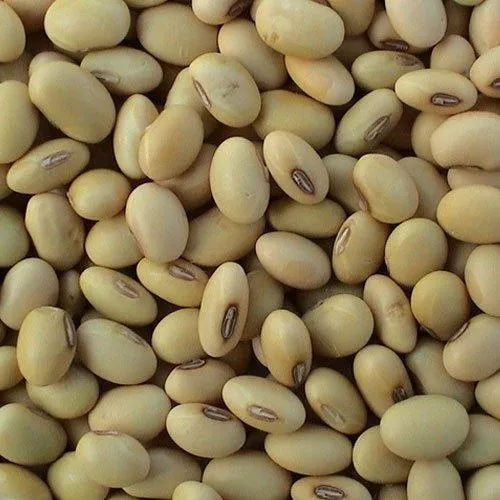
Soybean
Soybeans are high-protein legumes that serve as a foundation for countless food products, including tofu, tempeh, soy milk, and edamame. They are also a major source of animal feed and industrial oils.
Key Features:
- Complete Plant Protein: Contains all nine essential amino acids.
- Rich in Isoflavones: Antioxidant compounds with potential health benefits.
- High in Healthy Fats: Contains polyunsaturated and monounsaturated fats.
- Versatile Applications: Used in food, feed, biodiesel, and industrial products.
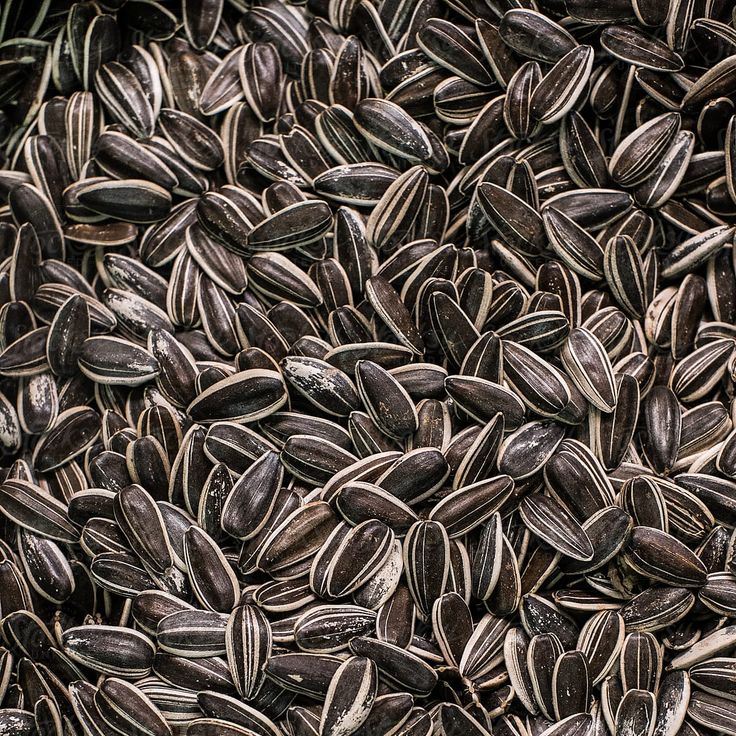
Sunflower Seed
Sunflower seeds are nutrient-dense kernels prized for their mild, nutty flavor and crunchy texture. They are enjoyed as snacks, toppings, and ingredients in baking, as well as being pressed for high-quality sunflower oil.
Key Features:
- Rich in Healthy Fats: High in vitamin E and unsaturated fats.
- Excellent Source of Selenium & Magnesium: Supports thyroid and bone health.
- Good Plant Protein: Ideal for vegetarian and vegan diets.
- Versatile Use: Consumed raw, roasted, as butter, or pressed into oil.
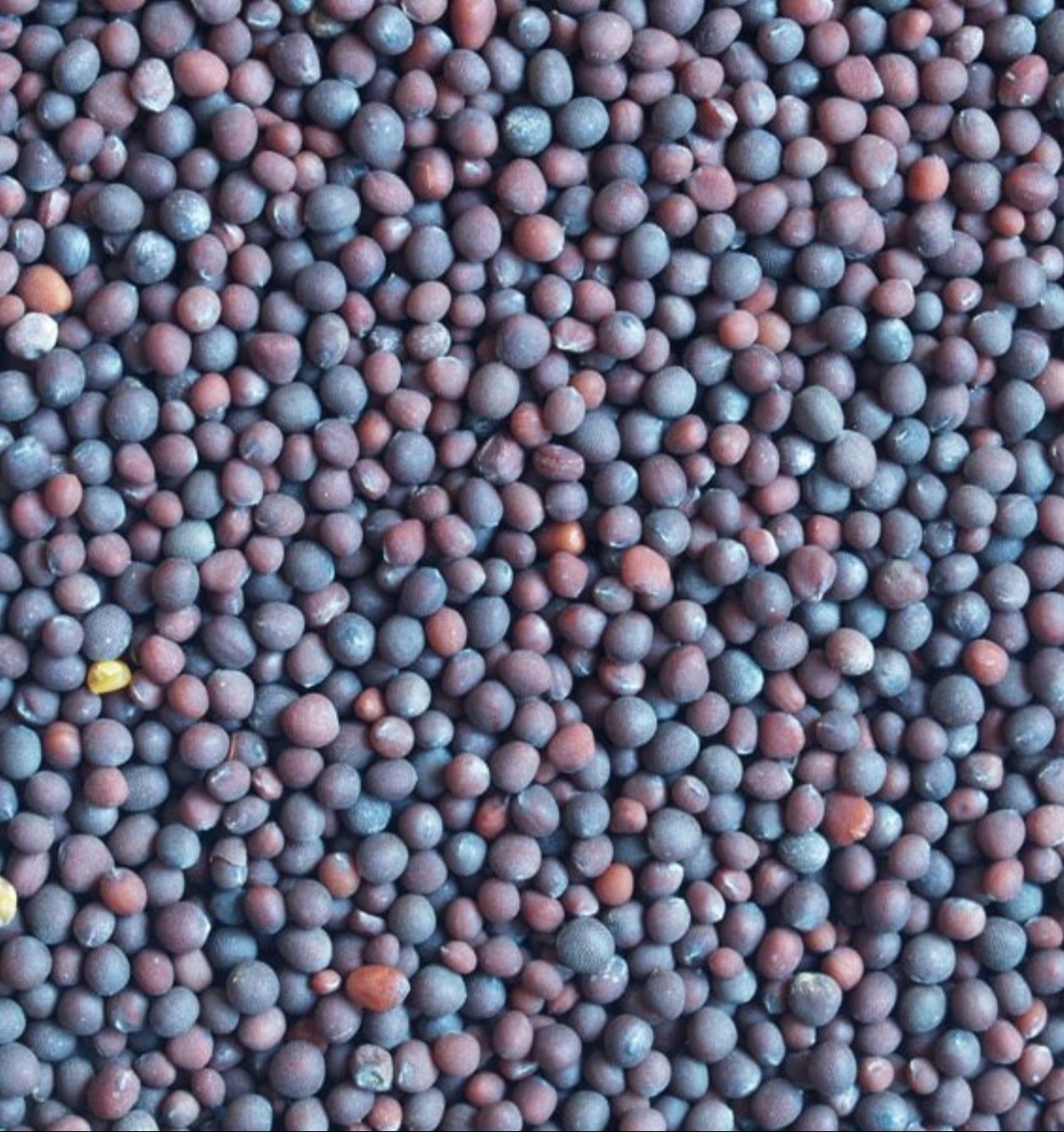
Rapeseed
Rapeseed is a versatile oilseed crop valued primarily for its oil, which is processed into canola oil—one of the world's healthiest cooking oils. It is also used in animal feed and industrial applications.
Key Features:
- Low Saturated Fat: Canola oil is heart-healthy with high monounsaturated fat content.
- Rich in Omega-3 Fatty Acids: Supports cardiovascular and brain health.
- High Smoke Point: Suitable for frying, baking, and high-heat cooking.
- Sustainable Crop: Used increasingly for biodiesel production.

Sunflower Oil
Sunflower oil is a light, versatile cooking oil prized for its mild flavor and high smoke point. It is extracted from sunflower seeds and widely used for frying, baking, salad dressings, and margarine production.
Key Features:
- High in Vitamin E: A powerful antioxidant that supports immune function.
- Low in Saturated Fat: Contains mostly polyunsaturated and monounsaturated fats.
- Neutral Flavor: Does not overpower other ingredients.
- High Smoke Point: Typically 440°F (227°C), ideal for deep frying and high-heat cooking.

Soybean Oil
Soybean oil is one of the most widely consumed cooking oils globally, valued for its neutral taste, versatility, and heart-healthy profile. It is extracted from soybeans and used in frying, baking, salad dressings, and processed foods.
Key Features:
- Rich in Polyunsaturated Fats: Includes omega-3 and omega-6 fatty acids.
- Contains Vitamin E & K: Supports skin health and blood clotting.
- High Smoke Point: Approximately 450°F (232°C) for refined oil.
- Affordable & Accessible: A cost-effective oil for large-scale food production.

Canola Oil
Canola oil is a heart-healthy cooking oil derived from specially bred rapeseed varieties. It is prized for its neutral flavor, high smoke point, and favorable fatty acid profile, making it ideal for frying, baking, and dressings.
Key Features:
- Lowest Saturated Fat: Among common cooking oils.
- High in Monounsaturated Fats: Supports cardiovascular health.
- Good Source of Omega-3: Contains alpha-linolenic acid (ALA).
- High Smoke Point: Approximately 400-450°F (204-232°C).

Corn Oil
Corn oil is a light, golden cooking oil extracted from the germ of corn kernels. It is valued for its mild flavor, high smoke point, and versatility in frying, baking, and margarine production.
Key Features:
- High in Polyunsaturated Fats: Contains beneficial omega-6 fatty acids.
- Rich in Vitamin E: Acts as a natural antioxidant.
- High Smoke Point: Approximately 450°F (232°C), suitable for deep frying.
- Neutral Flavor: Does not interfere with food taste.

Sesame Oil
Sesame oil is a flavorful oil pressed from sesame seeds, renowned for its nutty aroma and distinct taste. It is a staple in Asian cuisines, used for stir-frying, dressings, marinades, and as a finishing oil.
Key Features:
- Rich in Antioxidants: Contains sesamol and sesamin, which promote oil stability.
- Distinct Nutty Flavor: Available in toasted (dark) and untoasted (light) varieties.
- Good Source of Healthy Fats: High in monounsaturated and polyunsaturated fats.
- Traditional Medicinal Uses: Valued in Ayurveda and traditional medicine.

Safflower Oil
Safflower oil is a light, neutral-tasting oil extracted from safflower seeds. It is prized for its high smoke point and versatility, making it ideal for frying, sautéing, and salad dressings, as well as cosmetic applications.
Key Features:
- High Smoke Point: Up to 510°F (265°C) for refined oil.
- Rich in Unsaturated Fats: High-oleic varieties offer heart-healthy monounsaturated fat.
- Neutral Flavor: Does not compete with other ingredients.
- Contains Vitamin E: Supports skin health and acts as an antioxidant.

Cottonseed Oil
Cottonseed oil is a versatile, refined cooking oil extracted from cotton plant seeds. It has a mild flavor and high smoke point, making it popular for frying, commercial baking, and processed foods like margarine and mayonnaise.
Key Features:
- Stable & Long-Lasting: Resistant to rancidity due to natural antioxidants.
- High Smoke Point: Approximately 420-450°F (216-232°C).
- Neutral Flavor: Does not impart unwanted tastes.
- Cost-Effective: Widely used in food service and industrial applications.

Olive Oil
Olive oil is a premium, heart-healthy oil extracted from olives, celebrated for its rich flavor, high antioxidant content, and versatility. It is a cornerstone of Mediterranean cuisine, used in cooking, dressings, and as a finishing oil.
Key Features:
- Rich in Monounsaturated Fats: Supports cardiovascular health.
- High in Polyphenols: Powerful antioxidants with anti-inflammatory properties.
- Variety of Grades: Extra virgin, virgin, refined, and pomace for different uses.
- Distinct Flavor Profile: Ranges from fruity and peppery to mild and buttery.

Palm Oil
Palm oil is a highly versatile vegetable oil derived from the fruit of oil palms. It is valued for its natural semi-solid state, long shelf life, and high productivity, making it the most widely used vegetable oil globally in food and non-food applications.
Key Features:
- High Oxidative Stability: Naturally resistant to rancidity.
- Contains Vitamin E Tocotrienols: Potent antioxidants.
- Versatile Fractions: Available as palm oil, palm olein (liquid), and palm stearin (solid).
- High Yield Crop: Most efficient oilseed crop by land use.

Used Cooking Oil
Used cooking oil (UCO) is recovered vegetable oil from food service and industrial frying operations. It is a valuable feedstock for biodiesel production, renewable energy, and sustainable industrial applications, supporting circular economy initiatives.
Key Features:
- Sustainable Feedstock: Reduces waste and supports renewable fuel production.
- High Energy Content: Efficient conversion to biodiesel and bioheat.
- Carbon Footprint Reduction: Up to 85% lower emissions compared to fossil diesel.
- Collection & Filtration: Available in various grades based on quality and contaminants.

White Sugar
White sugar is a highly refined sweetener derived from sugarcane or sugar beets. It is the most common sugar used in households and food manufacturing, prized for its pure sweetness, fine crystalline texture, and versatility.
Key Features:
- Pure Sucrose: 99.9% sucrose content for consistent sweetness.
- Fine, Uniform Crystals: Dissolves easily in hot and cold liquids.
- Versatile Applications: Used in baking, beverages, confectionery, and processed foods.
- Long Shelf Life: Resists clumping when stored properly.

Brown Sugar
Brown sugar is white sugar combined with molasses, giving it a distinct caramel flavor, moist texture, and rich color. It is widely used in baking, sauces, marinades, and confectionery for its depth of flavor and moisture-retaining properties.
Key Features:
- Rich Molasses Flavor: Adds depth to baked goods and savory dishes.
- Hygroscopic Nature: Helps retain moisture, producing softer baked goods.
- Available in Light & Dark: Light for delicate flavor, dark for robust molasses notes.
- Versatile Culinary Use: Ideal for cookies, cakes, glazes, and barbecue sauces.

Molasses
Molasses is a thick, dark syrup produced as a byproduct of sugar refining. It has a distinct bittersweet flavor and is used in baking, rum production, animal feed, and industrial fermentation for yeast and alcohol production.
Key Features:
- Rich in Minerals: Contains calcium, magnesium, iron, and potassium.
- Distinct Flavor Profile: Ranges from mild (light molasses) to robust and slightly bitter (blackstrap).
- Natural Humectant: Retains moisture in baked goods.
- Fermentation Feedstock: Used for rum, ethanol, and yeast production.

Ethanol (biofuel)
Ethanol is a renewable biofuel produced primarily from sugarcane, corn, and other biomass feedstocks. It is used as a clean-burning fuel additive, octane enhancer, and standalone fuel for flex-fuel vehicles, contributing to reduced greenhouse gas emissions.
Key Features:
- Renewable Energy Source: Derived from sustainable agricultural feedstocks.
- Higher Octane Rating: Improves engine performance and reduces knocking.
- Lower Carbon Emissions: Reduces lifecycle CO2 emissions compared to gasoline.
- Versatile Applications: Used as fuel, industrial solvent, and beverage alcohol base.

Red Meat
Red meat encompasses beef, lamb, goat, and other mammalian meats valued for their rich flavor, high protein content, and essential nutrients. Our selection includes premium cuts sourced from trusted farms with strict quality and safety standards.
Key Features:
- High-Quality Protein: Complete amino acid profile for muscle health.
- Rich in Iron & Zinc: Highly bioavailable heme iron supports energy and immunity.
- Contains B Vitamins: Including B12 for neurological function.
- Versatile Cuts: Available in various primal and subprimal cuts for different culinary applications.

Beef
Beef is a premium red meat valued for its rich flavor, tenderness, and nutritional density. Our beef is sourced from grass-fed and grain-fed cattle, offering a range of cuts suitable for grilling, roasting, braising, and fine dining applications.
Key Features:
- High Bioavailable Protein: Essential for muscle development and repair.
- Rich in Creatine & Carnosine: Supports athletic performance and cellular health.
- Excellent Source of Iron & Zinc: Crucial for immune function and oxygen transport.
- Variety of Marbling Levels: From lean cuts to well-marbled premium grades.

Lamb
Lamb is a tender, flavorful red meat prized for its delicate texture and distinctive taste. It is a staple in Mediterranean, Middle Eastern, and European cuisines, offering premium cuts suitable for roasting, grilling, and slow cooking.
Key Features:
- Tender Texture: Younger lambs produce exceptionally tender meat.
- Distinct Flavor: Mildly gamey with subtle sweetness.
- Rich in Conjugated Linoleic Acid (CLA): Associated with various health benefits.
- High-Quality Protein & Iron: Supports overall health and energy.

Goat Meat
Goat meat is a lean, flavorful red meat widely consumed in Africa, Asia, the Caribbean, and the Middle East. It is valued for its distinct taste, low fat content, and versatility in slow-cooked stews, curries, and roasted dishes.
Key Features:
- Leaner Than Beef or Lamb: Lower in total fat and saturated fat.
- Rich in Iron & Potassium: Supports cardiovascular and muscular health.
- Distinct, Earthy Flavor: Often described as mildly sweet with a gamey note.
- Ideal for Slow Cooking: Develops tenderness and deep flavor when braised or stewed.

Chicken
Chicken is a versatile, lean poultry that is one of the most widely consumed meats globally. It offers a mild flavor, tender texture, and excellent nutritional profile, making it suitable for countless culinary applications from roasting to grilling to soup-making.
Key Features:
- Lean Protein Source: High protein with low fat, especially in breast meat.
- Rich in Niacin & Selenium: Supports metabolism and thyroid function.
- Mild, Adaptable Flavor: Takes on seasonings and marinades well.
- Whole Bird & Portions: Available as whole chickens, breasts, thighs, wings, and drumsticks.
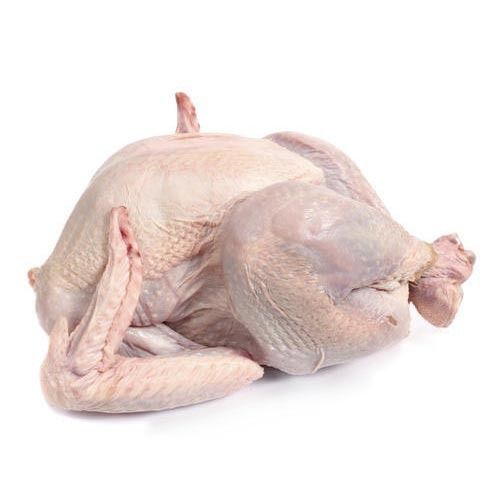
Fresh Turkey Meat
Turkey is a lean, nutrient-dense poultry known for its mild flavor and versatility. It is a popular choice for whole roasts, deli meats, ground products, and healthy protein options in both household and food service settings.
Key Features:
- Very Lean Protein: Especially breast meat, with minimal fat content.
- Rich in Tryptophan: An amino acid that supports mood and sleep regulation.
- High in Selenium & B Vitamins: Supports immune and metabolic health.
- Whole & Processed Options: Available as whole birds, breasts, thighs, ground turkey, and deli slices.
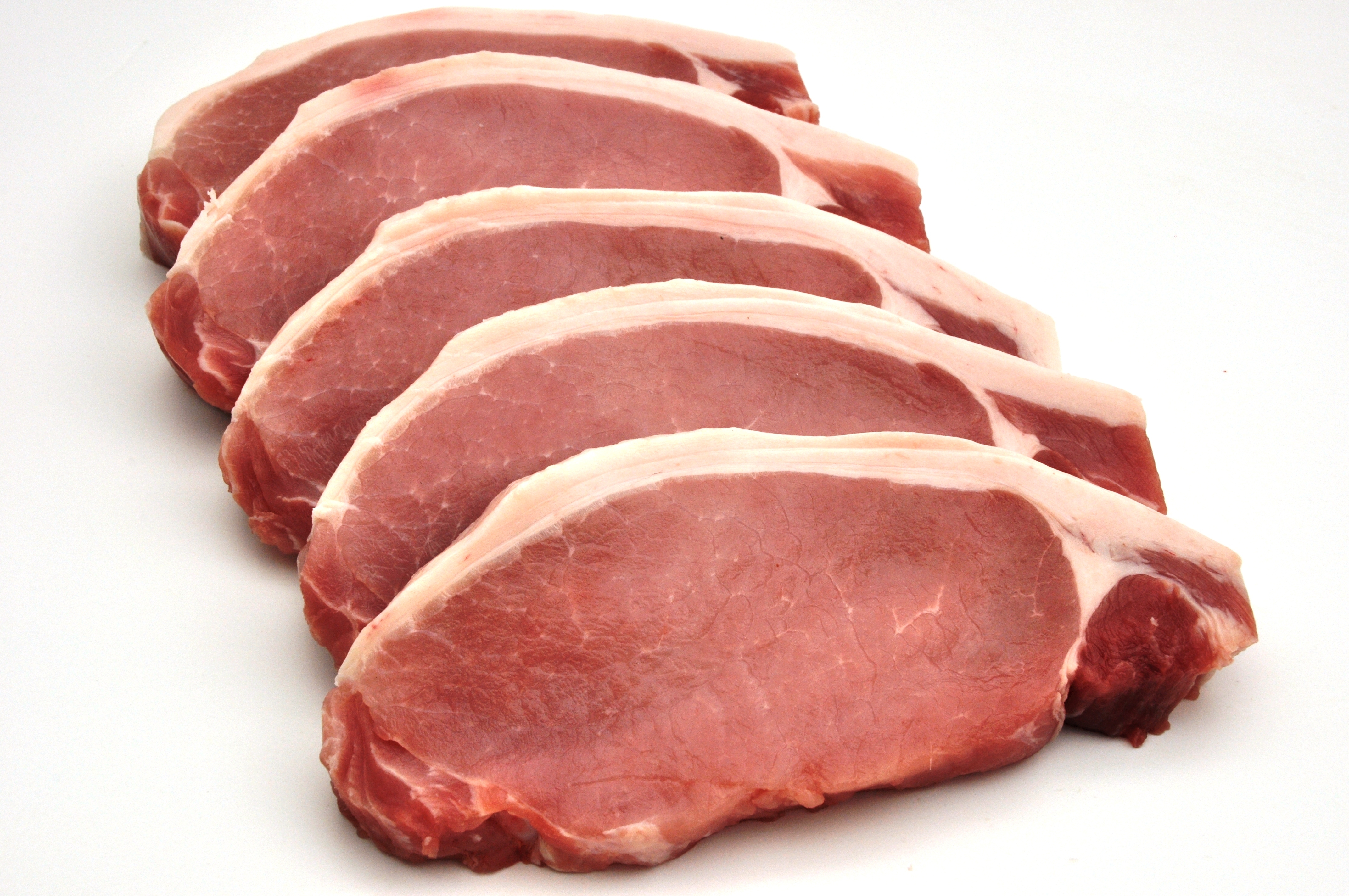
Pork Meat
Pork is a versatile, flavorful meat enjoyed worldwide in countless culinary traditions. From tenderloin to bacon to ribs, pork offers a range of textures and flavors suitable for everyday meals and gourmet applications.
Key Features:
- Rich in Thiamin (B1): Essential for energy metabolism.
- High-Quality Protein: Complete amino acid profile.
- Varied Fat Content: From lean tenderloin to well-marbled shoulder and belly.
- Versatile Cuts: Suitable for roasting, grilling, braising, curing, and smoking.

Fish
Fish is a nutrient-rich seafood valued for its delicate flavors, lean protein, and beneficial omega-3 fatty acids. Our selection includes both wild-caught and sustainably farmed options from pristine waters worldwide.
Key Features:
- Excellent Omega-3 Source: Supports heart, brain, and joint health.
- Lean, High-Quality Protein: Easily digestible with complete amino acids.
- Rich in Vitamin D & Selenium: Supports bone health and immune function.
- Wild & Farmed Options: Responsibly sourced to ensure sustainability.

Shrimp
Shrimp are versatile, sweet-flavored crustaceans prized for their tender texture and quick cooking time. They are one of the most popular seafood items globally, available in various sizes and sourced from both wild fisheries and sustainable aquaculture.
Key Features:
- Lean Protein Source: Low in calories and fat, high in protein.
- Rich in Selenium & Astaxanthin: Potent antioxidants.
- Quick Cooking: Ready in minutes, ideal for fast meal preparation.
- Available in Multiple Forms: Fresh, frozen, peeled, deveined, head-on, or tail-on.

Salmon
Salmon is a premium fatty fish celebrated for its rich flavor, vibrant color, and exceptional nutritional profile. It is one of the most sought-after seafood products, valued for its high omega-3 content and versatility in cooking.
Key Features:
- Exceptionally High in Omega-3s: Supports cardiovascular, brain, and joint health.
- Excellent Source of Astaxanthin: A powerful antioxidant responsible for pink-red color.
- Rich in Vitamin D & B12: Essential for bone health and energy production.
- Available Fresh & Frozen: Whole, fillets, portions, and smoked preparations.

Almond
Almonds are nutrient-dense tree nuts prized for their mild, buttery flavor and crunchy texture. They are one of the most popular nuts globally, used in snacking, baking, confectionery, and almond milk production.
Key Features:
- Rich in Vitamin E: A powerful antioxidant for skin and immune health.
- High in Healthy Monounsaturated Fats: Supports heart health.
- Excellent Source of Magnesium: Supports muscle and nerve function.
- Low in Carbohydrates: Suitable for low-carb and keto diets.

Walnut
Walnuts are distinctive tree nuts known for their brain-like shape, rich earthy flavor, and exceptional omega-3 content. They are valued in baking, snacking, salads, and for their heart-healthy nutritional profile.
Key Features:
- Highest Omega-3 (ALA) Content: Among all tree nuts.
- Rich in Antioxidants: Contains polyphenols that reduce oxidative stress.
- Supports Brain & Heart Health: Associated with cognitive and cardiovascular benefits.
- Versatile Culinary Use: Used in baked goods, pesto, salads, and as a snack.

Cashew
Cashews are creamy, kidney-shaped nuts with a mild, buttery flavor and smooth texture. They are beloved worldwide as snacks, in stir-fries, dairy-free creams, and confectionery, offering versatility and rich nutritional value.
Key Features:
- Rich in Copper & Magnesium: Supports bone health and energy production.
- Good Source of Plant Protein: Contains essential amino acids.
- Creamy Texture: Blends smoothly into sauces, cheeses, and milks.
- Lower Fat Content: Compared to many other nuts.

Hazelnut
Hazelnuts are sweet, rich tree nuts cherished for their distinctive flavor and versatility. They are a key ingredient in confectionery (chocolate spreads, pralines), baking, and savory dishes, prized for their buttery taste.
Key Features:
- Rich in Vitamin E & Healthy Fats: Supports heart health and skin integrity.
- High in Manganese: Essential for bone formation and metabolism.
- Distinct Sweet Flavor: Ideal for both sweet and savory applications.
- Excellent for Confectionery: Pairs perfectly with chocolate.

Pistachio
Pistachios are vibrant green nuts with a distinct sweet, earthy flavor and satisfying crunch. They are prized as a premium snack and ingredient in confectionery, baked goods, and Middle Eastern cuisine.
Key Features:
- Rich in Antioxidants: Contains lutein, zeaxanthin, and anthocyanins.
- Good Source of Plant Protein: Contains all essential amino acids.
- Heart-Healthy Fats: High in monounsaturated and polyunsaturated fats.
- Natural Split Shell: Easy to open, popular as a snack nut.

Macadamia
Macadamia nuts are premium, creamy-textured nuts with a rich, buttery flavor. They are considered one of the most luxurious nuts, prized in fine confectionery, baking, and as a gourmet snack.
Key Features:
- Highest Monounsaturated Fat Content: Among all nuts, supporting heart health.
- Rich, Buttery Texture: Melts in the mouth, ideal for premium applications.
- Low in Carbohydrates: Suitable for low-carb and keto diets.
- Contains Palmitoleic Acid: A rare omega-7 fatty acid.

Peanut
Peanuts, though botanically legumes, are nutritionally similar to tree nuts and are one of the most widely consumed nuts globally. They offer a distinctive flavor, crunchy texture, and exceptional versatility in snacking, spreads, and cooking.
Key Features:
- Excellent Source of Plant Protein: High protein content among nuts.
- Rich in Biotin & Niacin: Supports energy metabolism and skin health.
- Affordable & Accessible: Cost-effective protein source.
- Versatile Applications: Snacks, peanut butter, oil, flour, and confectionery.
Sunflower Seed
Sunflower seeds are nutrient-dense kernels prized for their mild, nutty flavor and crunchy texture. They are enjoyed as snacks, toppings, and ingredients in baking, as well as being pressed for high-quality sunflower oil.
Key Features:
- Rich in Healthy Fats: High in vitamin E and unsaturated fats.
- Excellent Source of Selenium & Magnesium: Supports thyroid and bone health.
- Good Plant Protein: Ideal for vegetarian and vegan diets.
- Versatile Use: Consumed raw, roasted, as butter, or pressed into oil.

Pumpkin Seed
Pumpkin seeds, also known as pepitas, are flat, oval-shaped seeds with a mild, slightly sweet flavor and satisfying crunch. They are valued as a nutrient-dense snack, topping, and ingredient in baking and granola.
Key Features:
- Rich in Magnesium & Zinc: Supports immune function and bone health.
- High in Plant Protein: Contains all essential amino acids.
- Good Source of Iron: Particularly beneficial for plant-based diets.
- Contains Phytosterols: May help lower cholesterol.

Apricot Kernel
Apricot kernels are the seeds found inside apricot pits, valued for their mild, slightly bitter almond-like flavor. They are used in confectionery, baking, cosmetics, and traditionally for oil extraction.
Key Features:
- Rich in Healthy Fats: High in monounsaturated and polyunsaturated fats.
- Contains Vitamin B17 (Amygdalin): Subject of traditional use and research.
- Almond-Like Flavor: Used as a more affordable almond substitute in some applications.
- Pressed for Oil: Apricot kernel oil is prized in cosmetics and skincare.
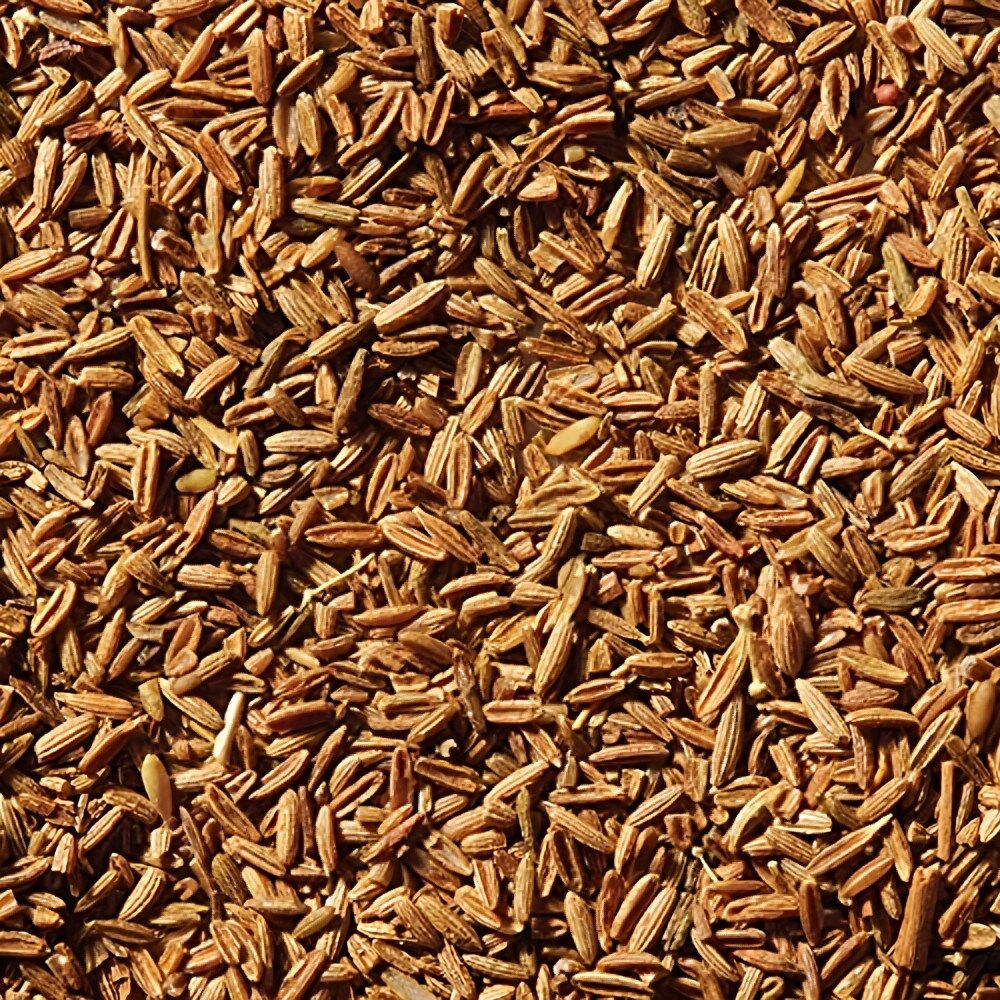
Cumin
Cumin is a warm, earthy spice derived from the seeds of the Cuminum cyminum plant. It is a staple in global cuisines, valued for its distinctive aroma and flavor in curries, tacos, spice blends, and stews.
Key Features:
- Rich in Iron: Supports energy and red blood cell production.
- Digestive Aid: Traditionally used to relieve bloating and improve digestion.
- Antioxidant Properties: Contains flavonoids and phenolic compounds.
- Versatile Form: Available as whole seeds or ground powder.

Coriander Seed
Coriander seeds are the dried fruits of the cilantro plant, offering a warm, citrusy, slightly sweet flavor. They are a fundamental spice in Indian, Middle Eastern, and Latin American cuisines, used whole or ground.
Key Features:
- Citrus-Like Aroma: Adds brightness to curries, marinades, and baked goods.
- Digestive Benefits: Traditionally used to soothe digestive discomfort.
- Rich in Antioxidants: Contains linalool and other beneficial compounds.
- Versatile Applications: Essential in spice blends like curry powder and garam masala.

Mustard Seed
Mustard seeds are small, pungent seeds valued for their sharp, spicy flavor that develops when crushed or heated. They are used whole in pickling and tempering, or ground into mustard condiments and spice blends.
Key Features:
- Rich in Selenium & Magnesium: Supports thyroid and bone health.
- Contains Glucosinolates: Compounds with potential anti-inflammatory properties.
- Pungent Flavor: Becomes milder when cooked, sharper when raw.
- Available in Three Colors: Yellow, brown, and black, each with distinct intensity.

Fennel Seed
Fennel seeds are aromatic, licorice-flavored seeds prized for their sweet, refreshing taste. They are used as a digestive aid, in spice blends, sausages, baked goods, and as a breath freshener after meals.
Key Features:
- Sweet Licorice Flavor: Distinct and pleasant, milder than anise.
- Digestive Aid: Traditionally chewed after meals to reduce bloating.
- Rich in Antioxidants: Contains anethole and other beneficial compounds.
- Versatile Use: Whole seeds, ground, or used in teas and infusions.

Fenugreek Seed
Fenugreek seeds are small, amber-colored seeds with a distinct maple-like aroma and slightly bitter, nutty flavor. They are widely used in Indian cuisine, spice blends, and as a traditional herbal remedy.
Key Features:
- Rich in Soluble Fiber: Supports digestive and heart health.
- Maple Syrup Aroma: Unique scent develops when toasted.
- Traditional Herbal Use: Used to support lactation and metabolic health.
- Versatile Applications: Whole seeds, ground powder, and sprouted.
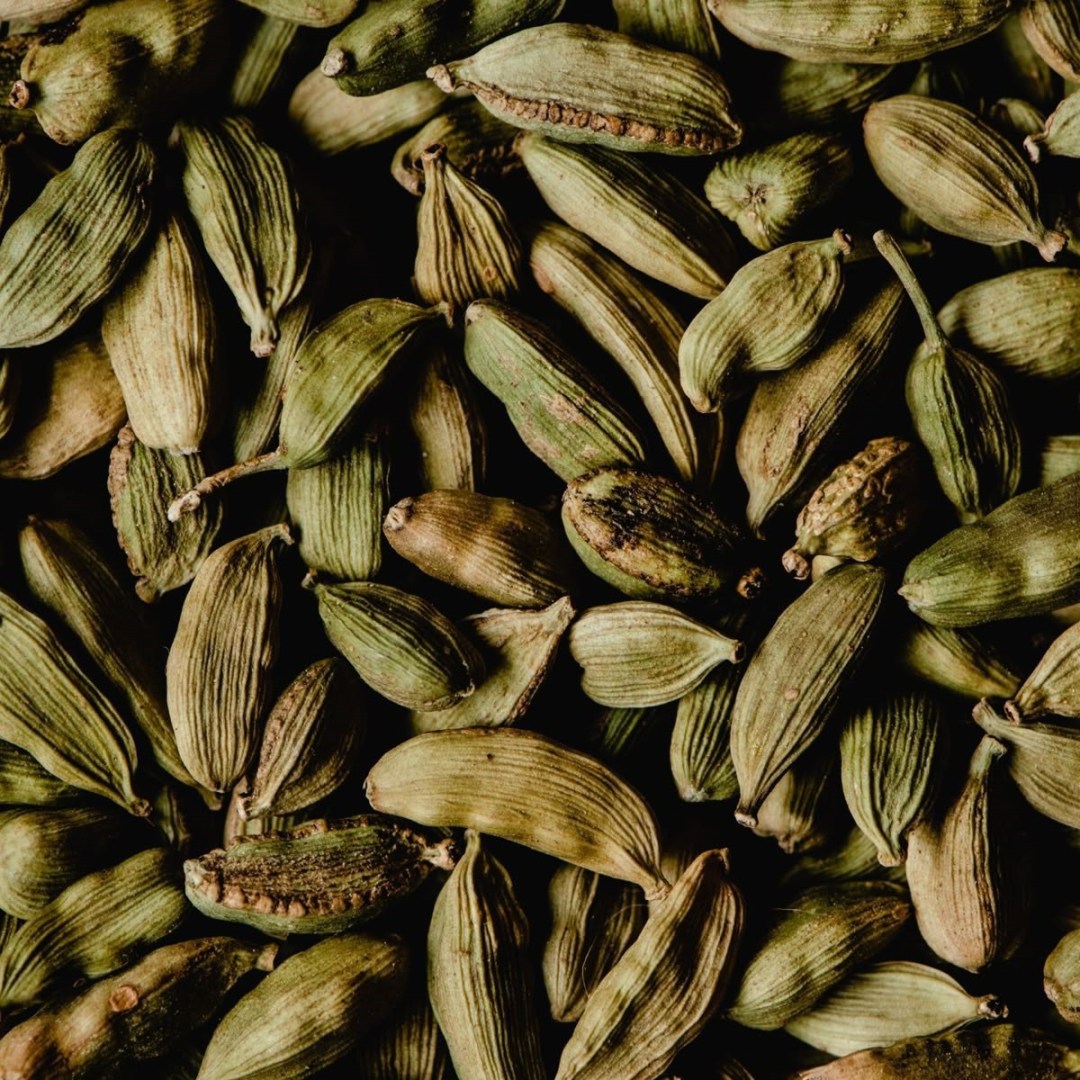
Cardamom
Cardamom is a premium spice known as the 'queen of spices' for its intense, sweet, floral aroma and complex flavor. It is used in sweet and savory dishes, chai tea, Scandinavian baking, and spice blends worldwide.
Key Features:
- Distinct Floral-Citrus Aroma: Adds elegance to dishes and beverages.
- Rich in Essential Oils: Contains cineole, terpinene, and other aromatic compounds.
- Digestive & Respiratory Benefits: Traditionally used for soothing properties.
- Available in Green & Black: Green is milder and sweet; black is smoky and robust.

Clove
Cloves are aromatic flower buds with an intense, sweet, pungent flavor. They are a powerful spice used in spice blends, baked goods, mulled beverages, and traditional medicine for their warming and numbing properties.
Key Features:
- High in Eugenol: A compound with antioxidant and anti-inflammatory properties.
- Intense, Warming Flavor: A little goes a long way in cooking.
- Natural Analgesic: Traditionally used for toothache relief.
- Essential in Spice Blends: Key ingredient in pumpkin spice, garam masala, and mulled wine.

Cinnamon
Cinnamon is a sweet, warm spice derived from the inner bark of trees in the Cinnamomum family. It is one of the most beloved spices globally, used in baking, beverages, curries, and traditional medicine.
Key Features:
- Sweet, Warming Flavor: Adds comfort to both sweet and savory dishes.
- Rich in Antioxidants: Contains polyphenols with anti-inflammatory effects.
- Blood Sugar Support: May help improve insulin sensitivity.
- Two Main Varieties: Ceylon ('true' cinnamon) and Cassia (more common, stronger).
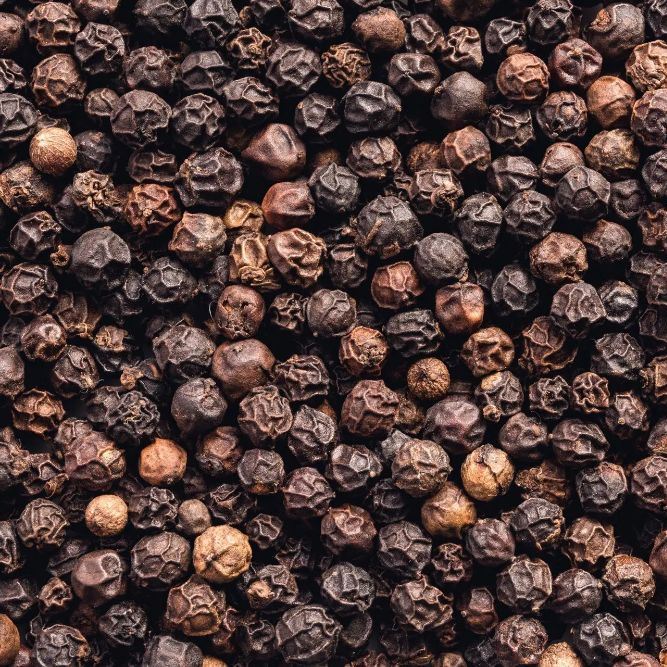
Black Pepper
Black pepper is the world's most traded spice, prized for its sharp, pungent heat and complex aroma. It is a fundamental table spice and culinary ingredient, used whole or ground to enhance virtually any savory dish.
Key Features:
- Contains Piperine: A compound that enhances nutrient absorption and adds heat.
- Digestive Stimulant: Traditionally used to promote digestive health.
- Antioxidant Properties: Rich in beneficial plant compounds.
- Available in Multiple Colors: Black, white, green, and red peppercorns.

Bay Leaf
Bay leaves are aromatic leaves from the bay laurel tree, valued for their subtle herbal, floral flavor. They are used whole in soups, stews, braises, and sauces, imparting depth and complexity during slow cooking.
Key Features:
- Subtle, Complex Aroma: Adds depth without overwhelming other flavors.
- Essential in Bouquet Garni: Classic component of French cooking.
- Traditionally Used for Digestion: Believed to aid in digestive comfort.
- Removed Before Serving: Typically used whole and removed due to tough texture.
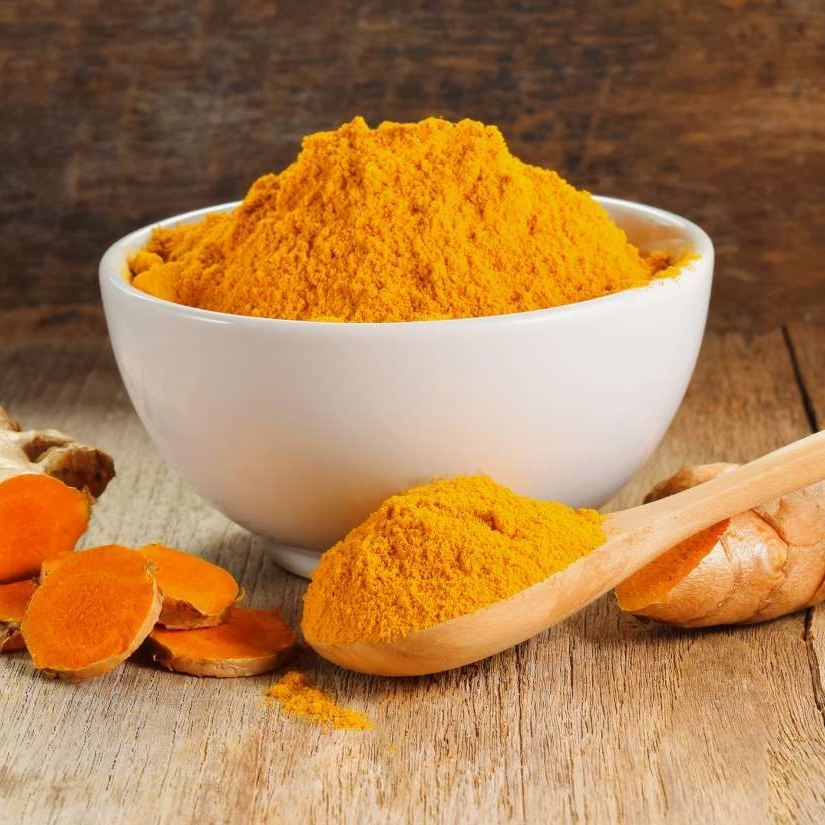
Turmeric Powder
Turmeric powder is a vibrant golden-yellow spice derived from the root of the Curcuma longa plant. It is prized for its earthy, slightly bitter flavor and potent anti-inflammatory properties, primarily from curcumin.
Key Features:
- Contains Curcumin: A powerful antioxidant and anti-inflammatory compound.
- Vibrant Golden Color: Natural coloring for foods and textiles.
- Essential in Curry Powder: Key ingredient in Indian and Southeast Asian cuisines.
- Enhanced Absorption: Best absorbed with black pepper (piperine).

Red Chili Powder
Red chili powder is a spicy, vibrant red powder made from dried chili peppers. It adds heat, color, and depth to cuisines worldwide, from Indian curries to Mexican salsas to Korean kimchi.
Key Features:
- Variable Heat Levels: Available from mild paprika to extremely hot varieties.
- Rich in Capsaicin: Compound responsible for heat and potential metabolic benefits.
- High in Vitamin C & A: Supports immune and eye health.
- Essential Spice: Used in countless spice blends and regional cuisines.

Coriander Powder
Coriander powder is a ground spice made from dried coriander seeds, offering a warm, citrusy, slightly sweet flavor. It is a foundational spice in Indian, Middle Eastern, and Latin American cooking, used in curries, marinades, and dry rubs.
Key Features:
- Warm, Citrusy Aroma: Adds brightness to spice blends.
- Digestive Aid: Traditionally used to soothe digestive issues.
- Versatile Spice: Essential in curry powder, garam masala, and baharat.
- Mild & Approachable: Suitable for a wide range of palates.

Cumin Powder
Cumin powder is a ground spice with a warm, earthy, slightly nutty flavor. It is a cornerstone of global cuisines, essential in curries, chili, tacos, spice blends, and marinades, valued for its distinctive aroma and digestive benefits.
Key Features:
- Earthy, Warming Flavor: Adds depth and complexity to dishes.
- Rich in Iron: Supports energy and red blood cell production.
- Digestive Aid: Traditionally used to relieve bloating and indigestion.
- Essential Spice: Key component of cumin, curry, and taco seasonings.

Angus
Angus cattle are a premium beef breed renowned worldwide for their superior marbling, tenderness, and feed efficiency. Originating from Scotland, these black or red polled cattle are the top choice for intensive feedlot systems and high-quality beef production.
Key Features:
- Exceptional Marbling Genetics: Produces USDA Prime and Choice grade beef.
- Docile Temperament: Easy to handle, ideal for feedlot and farm operations.
- Early Maturation: Reaches market weight faster than many other breeds.
- High Carcass Yield: Excellent dressing percentage (55-65%).

Brangus
Brangus cattle are a hybrid beef breed combining 3/8 Brahman and 5/8 Angus genetics. This cross delivers the superior carcass quality of Angus with the heat tolerance, disease resistance, and hardiness of Brahman, making them ideal for tropical and subtropical regions.
Key Features:
- Heat & Tick Resistance: Thrives in hot, humid climates where pure Angus struggle.
- Excellent Marbling: Inherits Angus genetics for high-quality beef.
- Efficient Grazers: Perform well on lower-quality forage.
- Good Maternal Instincts: High fertility and calf survival rates.

Brahman
Brahman cattle are a highly adaptable zebu breed prized for their exceptional heat tolerance, disease resistance, and longevity. Originating from India, they are the foundation of tropical beef production worldwide and are widely used in crossbreeding programs to improve hardiness.
Key Features:
- Superior Heat Tolerance: Thrives in temperatures exceeding 40°C (104°F).
- Insect & Parasite Resistance: Natural resistance to ticks and flies.
- Long Lifespan: Productive for 12-15+ years (cows).
- Excellent Foraging Ability: Performs well on marginal pastures.

Boar Goat
Boer goats are the premier meat goat breed worldwide, renowned for their rapid growth, high carcass yield, and excellent fertility. Originating from South Africa, these white-bodied, red-headed goats are the top choice for commercial meat production and breeding stock improvement.
Key Features:
- Fast Growth Rate: Reaches market weight (30-40 kg) in 6-8 months.
- High Fertility: Does can produce triplets or quadruplets regularly.
- Excellent Carcass Yield: 45-50% dressing percentage.
- Docile Temperament: Easy to handle and manage in feedlot or pasture systems.

Sheep
Our live sheep are high-quality meat and breeding stock, prized for their docile temperament, efficient feed conversion, and superior carcass characteristics. Sourced from disease-free farms, these sheep are ideal for feedlot finishing, breeding programs, or direct slaughter.
Key Features:
- Efficient Feed Conversion: Low cost per kg of weight gain.
- Adaptable to Various Climates: Suitable for diverse farming conditions.
- High-Quality Meat Genetics: Produces tender, flavorful lamb.
- Good Mothering Abilities: High lamb survival rates.

Mutton
Mutton sheep are mature, full-grown sheep (typically 2+ years old) valued for their larger frame, higher body weight, and robust, flavorful meat. They are preferred for specific markets requiring older sheep for traditional dishes, curries, and long-cooking preparations where intense flavor is desired.
Key Features:
- Larger Body Mass: Higher meat yield per animal than lamb.
- Intense, Savory Flavor: Preferred for traditional and ethnic cuisines.
- Hardy & Disease Resistant: Mature sheep are generally healthier and more resilient.
- Cost-Effective: Often lower price per kg live weight than young lamb.

Wood Pellets
Wood pellets are a sustainable, high-density biofuel made from compressed sawdust and wood shavings. They offer a clean, efficient, and carbon-neutral energy source for industrial heating, power generation, and residential pellet stoves.
Key Features:
- High Calorific Value: 4.8 - 5.2 kWh/kg (17-19 MJ/kg).
- Low Moisture Content: <10%, ensuring efficient combustion.
- Low Ash Residue: Premium grade leaves minimal ash (<1%).
- Standardized Size: 6mm or 8mm diameter for automated feed systems.

Hard Wood Charcoal
Hardwood charcoal is a premium, natural fuel produced by carbonizing dense wood species like oak, hickory, and beech. It burns hotter, longer, and cleaner than standard charcoal, making it the preferred choice for industrial metallurgy, shisha/hookah, and gourmet grilling.
Key Features:
- High Heat Output: Calorific value of 7,000 - 7,500 kcal/kg.
- Long Burn Time: Outlasts briquettes and softwood charcoal.
- Low Smoke & Spark: Clean burn suitable for indoor shisha lounges.
- Natural Composition: 100% wood, no binders or chemicals.
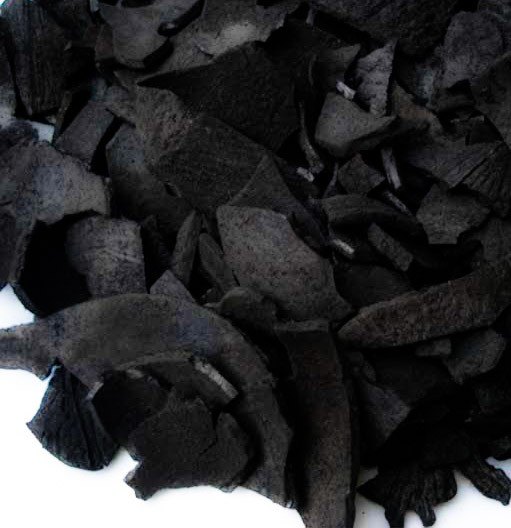
Coconut Shell Charcoal
Coconut shell charcoal is a highly porous, eco-friendly fuel made from discarded coconut husks. It is renowned for its extremely high fixed carbon content, low ash, and superior heating efficiency. It is the global standard for hookah/shisha coals, activated carbon production, and high-end water filtration systems.
Key Features:
- Highest Carbon Content: 75-85% fixed carbon for intense, long-lasting heat.
- Ultra-Low Ash: Produces minimal residue (<3%), keeping hookah heads clean.
- Odorless & Non-Sparking: Pure, neutral burn without chemical taste.
- Sustainable: Uses agricultural waste product (coconut shells).